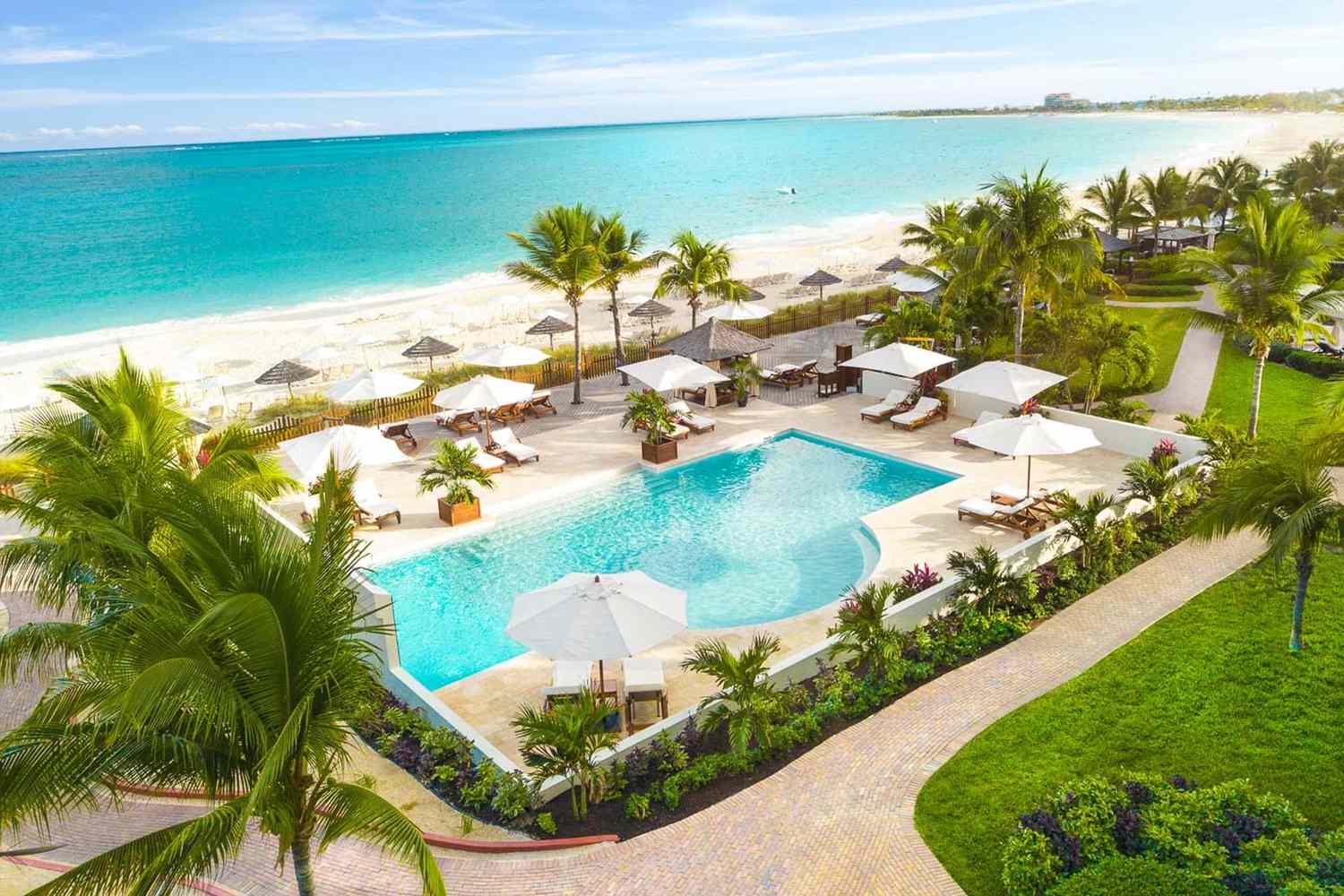
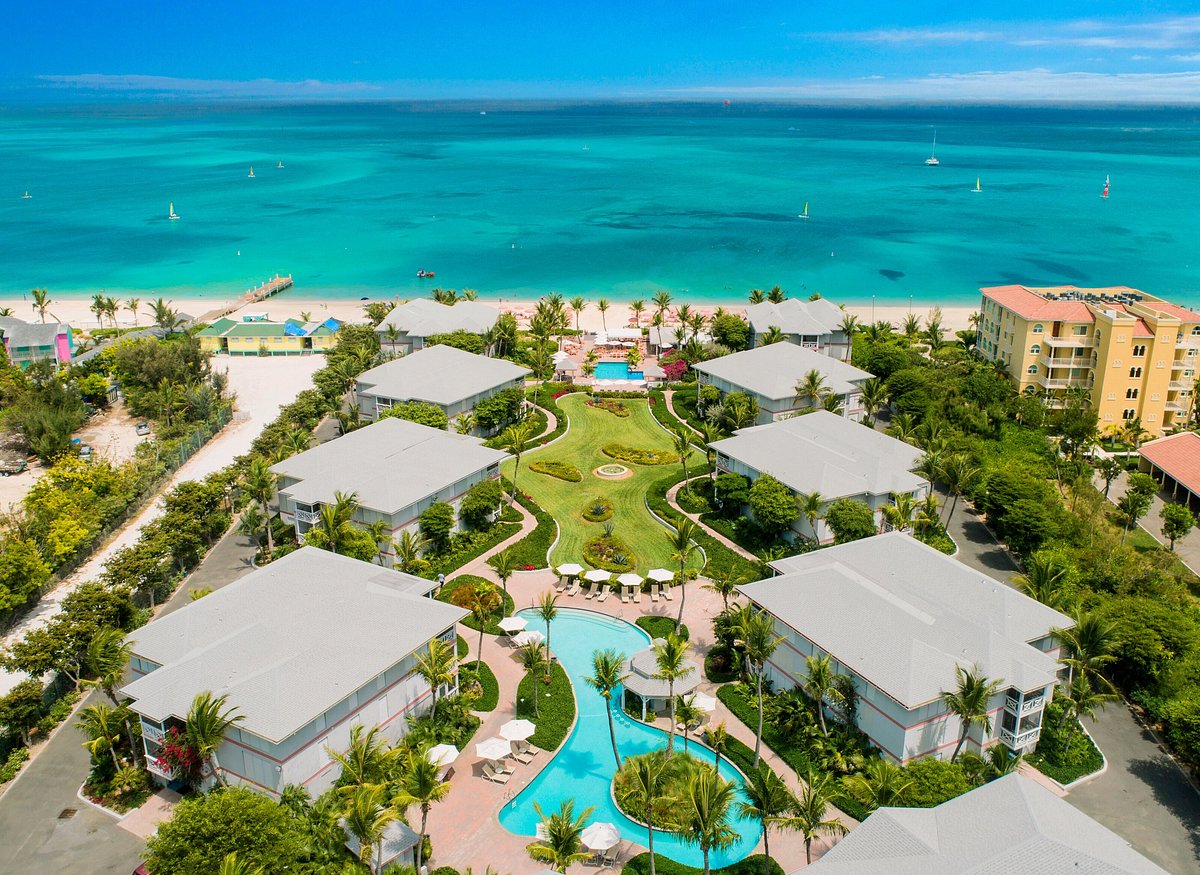
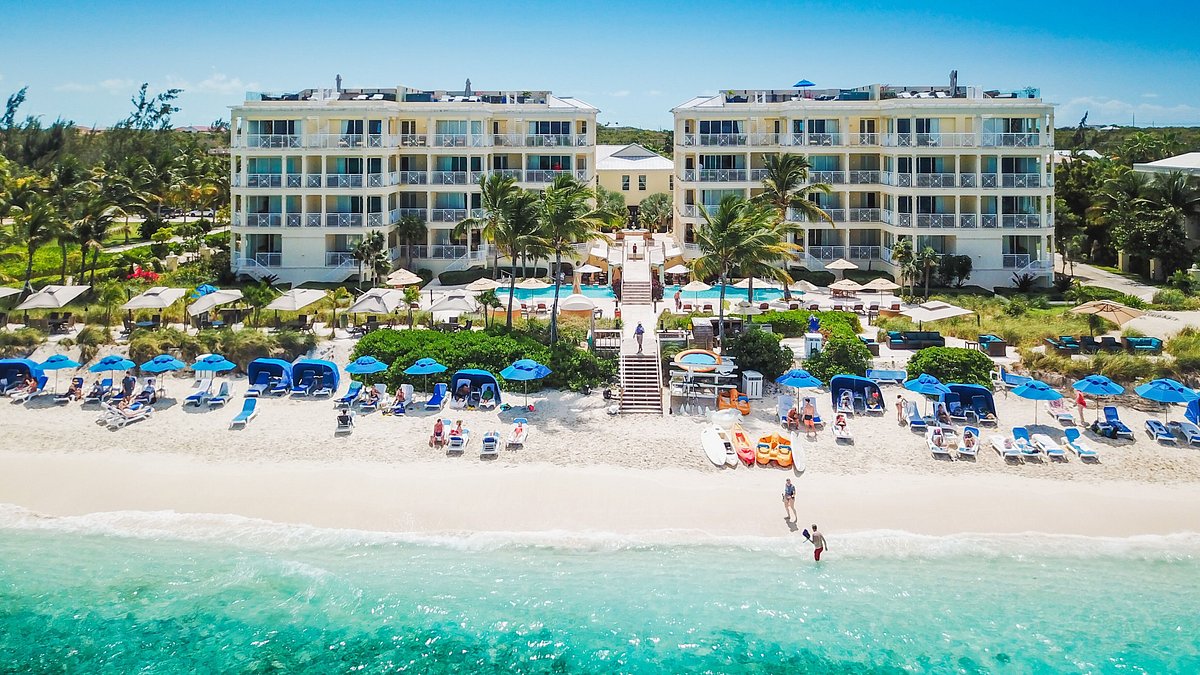
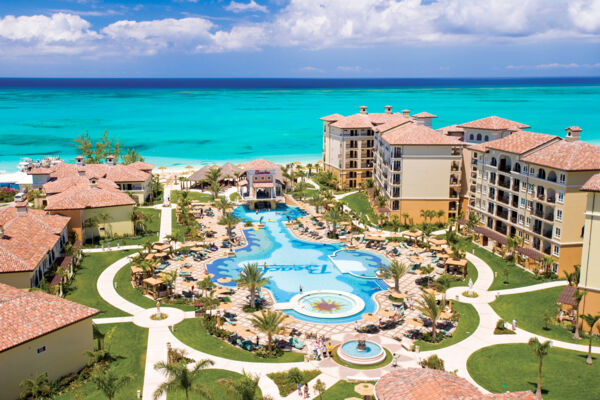
The water at Grace Bay is a problem for photographers. The color is so specific — a particular intensity of aquamarine that appears saturated even in flat light — that images of it routinely look edited when they are not. Standing at the edge of it for the first time, most people spend a moment recalibrating. The Turks and Caicos Islands exist almost entirely to make that moment available to you, and Grace Bay Beach on Providenciales is where it happens at its most concentrated.
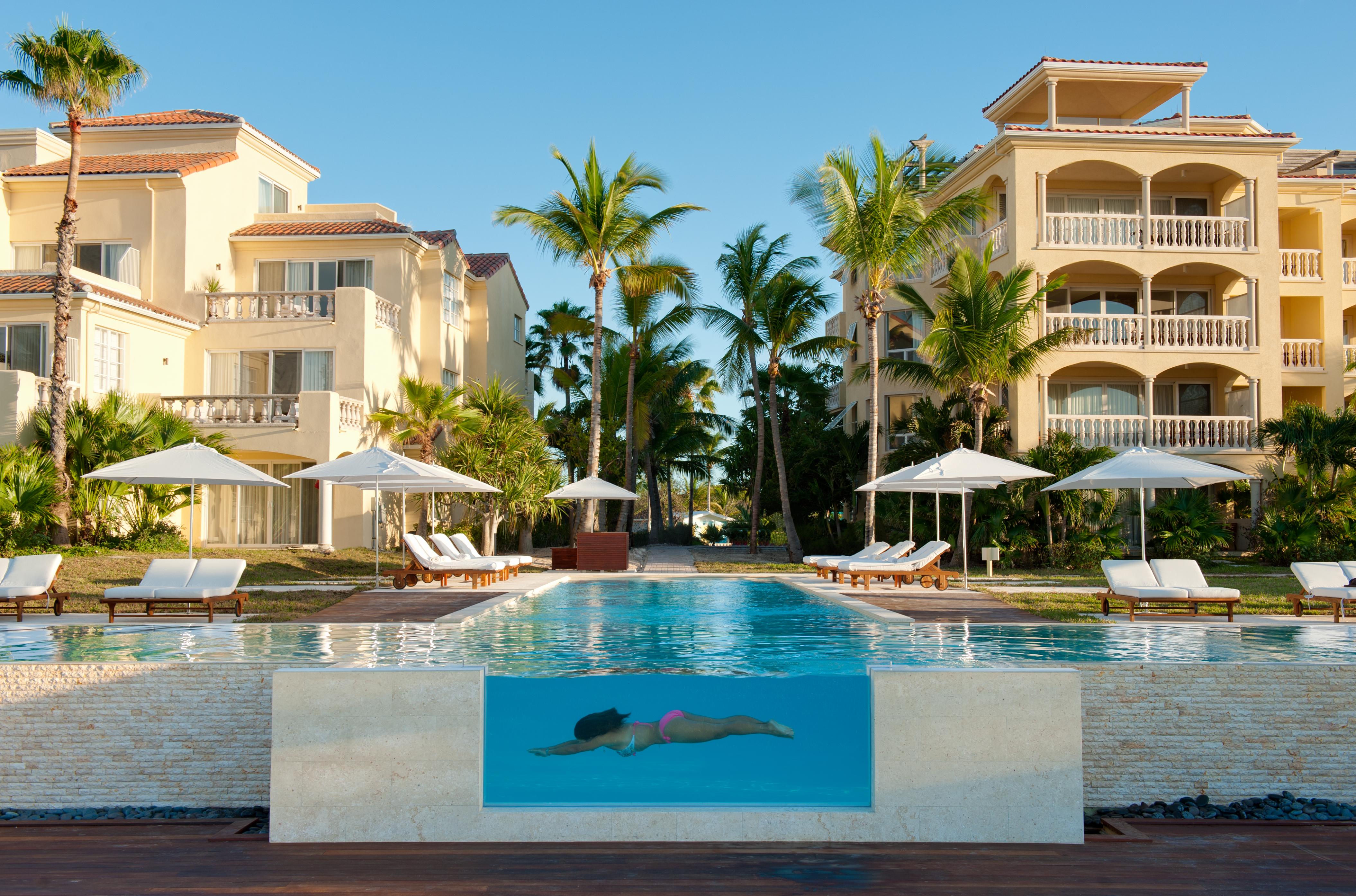
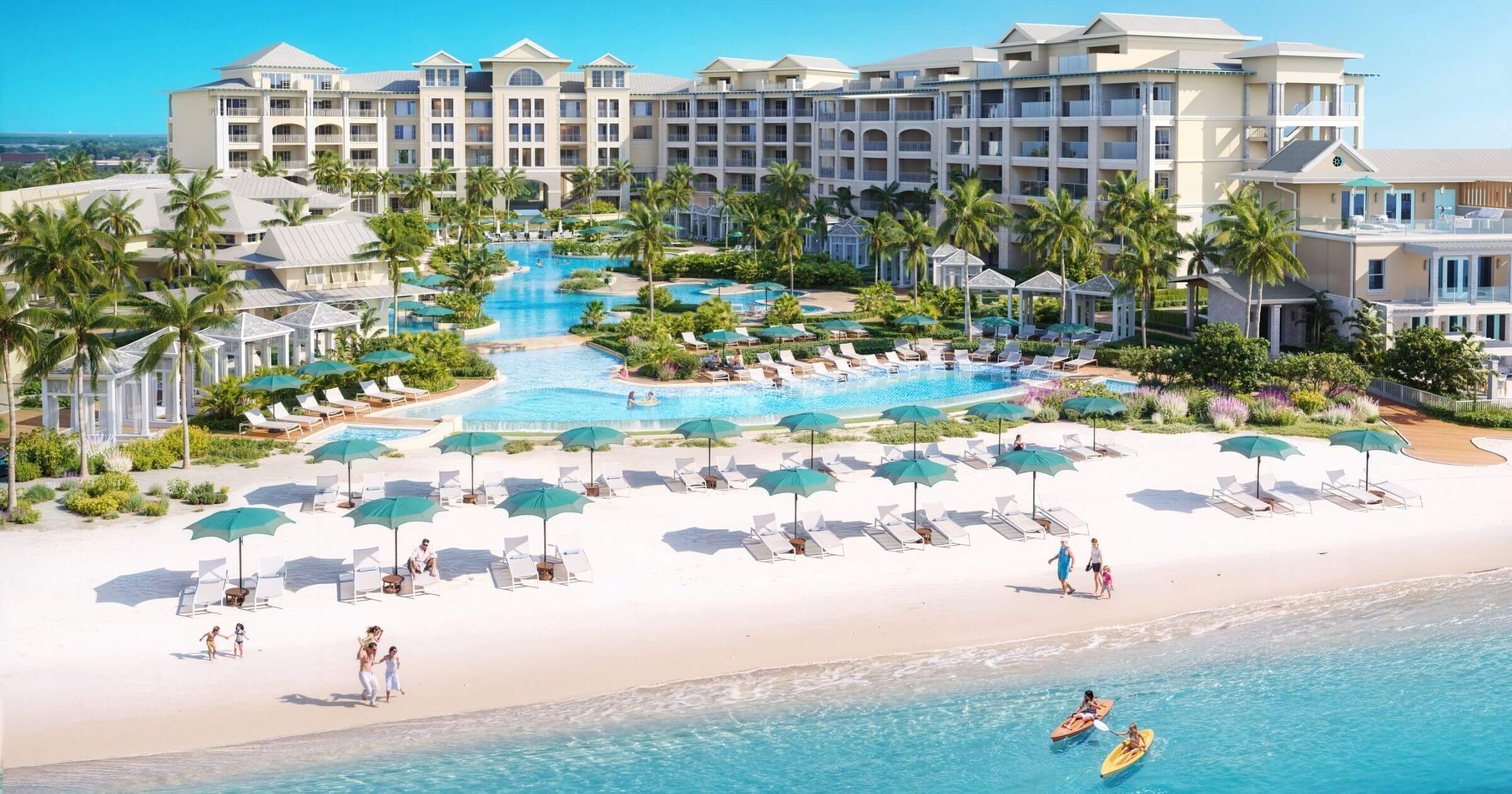
Providenciales, called Provo by everyone who lives there, is the main island and holds the majority of the archipelago's resort infrastructure. Grace Bay Club was among the first to define the luxury standard here, and it remains one of the finest boutique properties on the island. Seven Stars and The Palms sit along the same beach. The Ocean Club, with its colonial Bermuda-style architecture, anchors the eastern end. None of them are wrong. The question is which kind of quiet you prefer: the intimate scale of a boutique or the broader amenities of a larger resort.
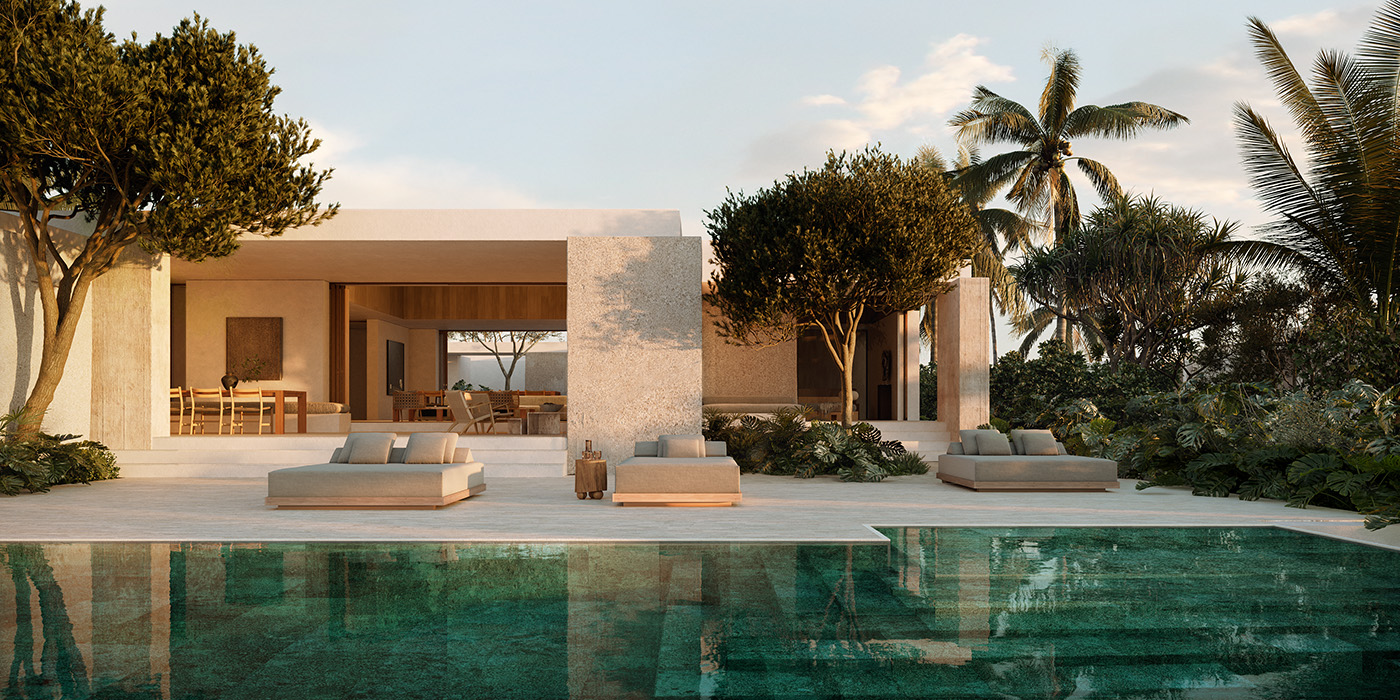
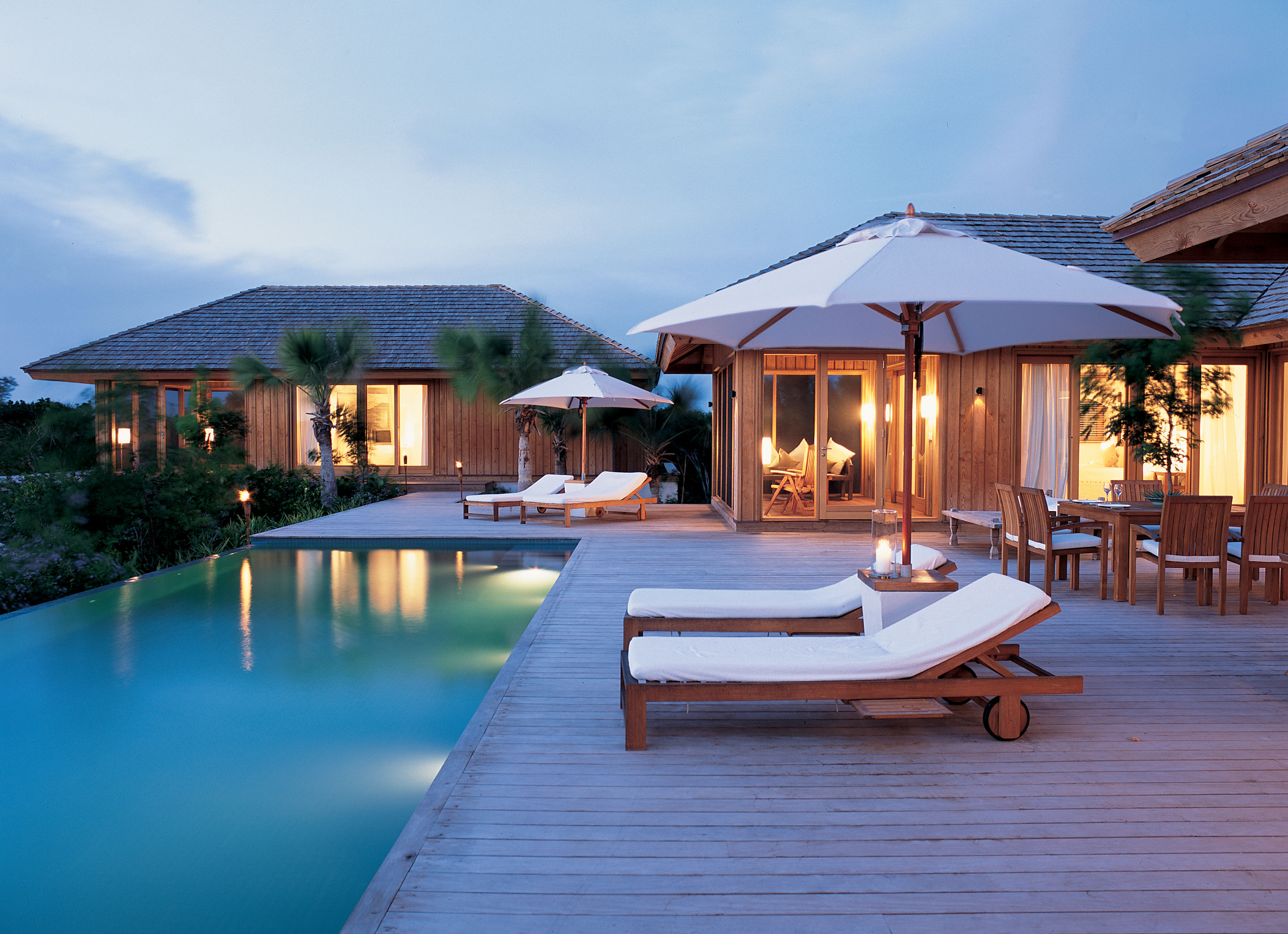
Parrot Cay is a private island reachable only by boat from Provo, and it is where the luxury of the Turks and Caicos reaches a different altitude entirely. COMO Parrot Cay is the only property on the island: 1,000 acres of beach, mangrove, and saltpan shared with a guest count kept deliberately small. The spa program here has attracted a particular kind of return visitor, the sort who books the same week every year for a decade. Janu Turks and Caicos, a newer private-island property, has brought a similar level of seclusion to the south of Providenciales.
The diving and snorkeling across the archipelago are among the Atlantic's best. The wall dive at Grand Turk drops 7,000 feet just a few hundred yards from shore. The barrier reef along the north coast of Provo is accessible from the beach at many properties. Chalk Sound, a landlocked lagoon on the southwest of Providenciales, contains water the color of nothing else on earth, dotted with small rocky outcrops that turn any boat trip through it into something you will describe for years afterward.
The Turks and Caicos rewards those who come for the water itself. It is not a destination for the culturally curious or the food-obsessed in the way that other Caribbean islands are. It is a destination for two people who want perfect water, a beautiful room, and days that move at exactly the pace they choose. For that specific intention, there is almost nothing better.
The Turks and Caicos is not a shopping destination in the traditional sense. Duty-free goods are available in Providenciales, and several galleries carry local art and photography. Salt — historically the main export of the islands — is still harvested in the south and sold as a local product worth bringing home.
Conch is the defining ingredient of Turks and Caicos cooking. Cracked conch, conch fritters, and conch salad appear on nearly every menu. The fish here is genuinely fresh. Da Conch Shack on the northwest beach of Provo is a beloved open-air institution that has served the same food for decades, and the beach setting is as much the draw as the meal.
Rum punch is the house cocktail of the Caribbean, and the Turks and Caicos version is made with fresh fruit and served everywhere. Turk's Head is the local craft beer, brewed on island. The bar programs at Grace Bay Club and COMO Parrot Cay take cocktails seriously and source local rum and tropical ingredients with care.
Providenciales International Airport (PLS) receives direct service from New York, Miami, Atlanta, Charlotte, and several other US cities, as well as London and Toronto. The airport is small and efficient. Most luxury resorts are within 15 minutes of the terminal.
Taxis meet all arriving flights and fares are fixed by zone. Rental cars are available at the airport from major international companies. Driving is on the left. Private island properties operate their own boat transfers from the marina. No rideshare apps operate here.
Boat charters, snorkeling excursions, and whale watching tours depart from Provo's marinas. Private catamaran day trips to uninhabited cays are one of the better uses of a day here. Many resorts include non-motorized water sports in their rates and can arrange marine excursions directly.
Eastern Standard Time (EST, UTC-5), with daylight saving time observed from March through November (EDT, UTC-4). The islands align directly with the US East Coast year-round.
No rideshare apps operate in Turks and Caicos. Licensed taxis are available at the airport and through your hotel. Fares are fixed by zone and should be confirmed before departure. Most luxury resorts offer complimentary or discounted transfers within the Grace Bay corridor.
120V, 60Hz. Type A and B plugs, identical to the United States and Canada. No adapter required for North American visitors. Most modern resort rooms include USB ports and universal outlets.
Tropical and consistently warm, averaging 85°F in summer and 77°F in winter. The dry season runs December through April. Trade winds keep the heat manageable year-round. Hurricane season runs June through November; October and November carry the highest risk.
The Turks and Caicos has appeared in travel features and honeymoon guides but is not strongly associated with film or television production. The islands are a British Overseas Territory with a small permanent population. Celebrity visitors have included Keith Richards, who kept a home on Parrot Cay for years, alongside a long roster of entertainers and athletes who use the islands for off-grid privacy.
Emergency: 911
Police: 649-946-7116
Medical Emergency: 911
Fire: 911
Country Code: +1-649