Highlights
Popular Destinations
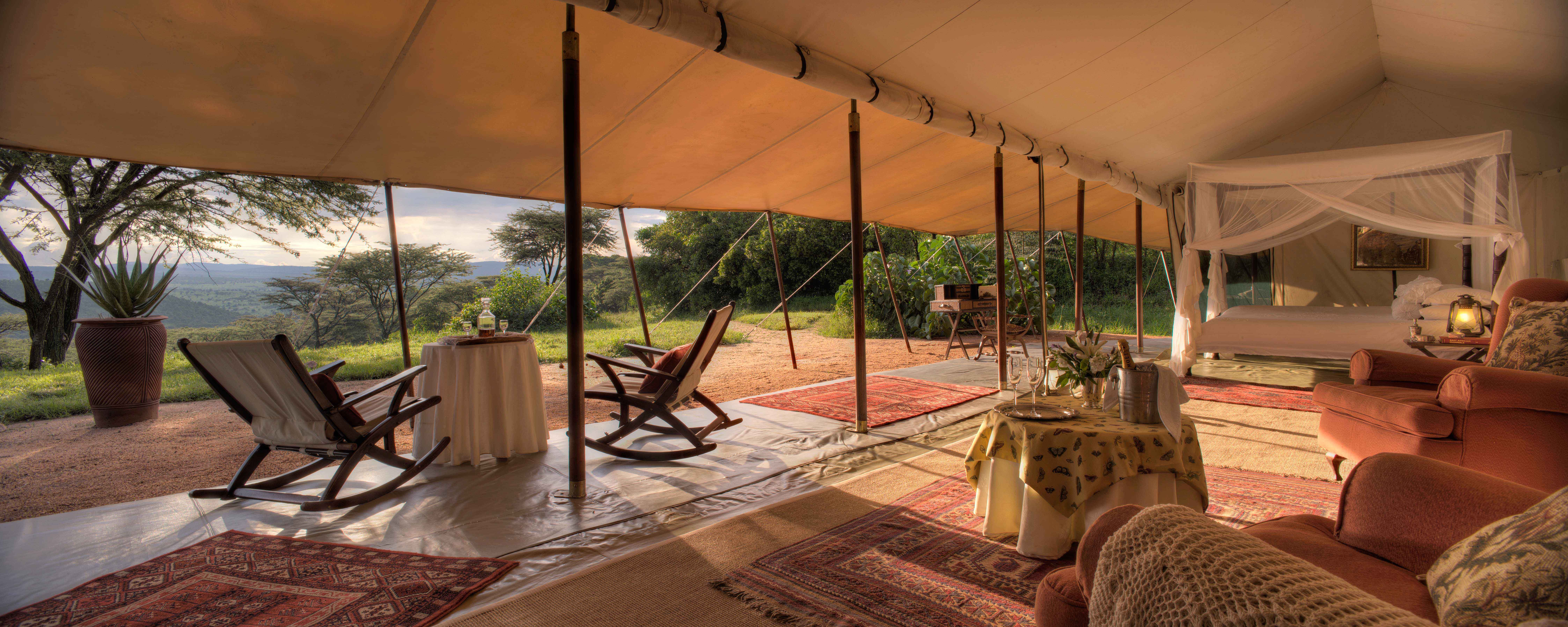
Nothing quite prepares you for Kenya. The vastness of the Masai Mara at sunrise — the light low and gold, the grass moving slowly, a lion walking through it without looking up — is the kind of thing that rearranges your sense of scale. You come expecting wildlife and leave thinking about something harder to name. A feeling of proportion. Of being very small in a very old world.
The Mara is the center of it, but Kenya is much larger than any single destination. Amboseli offers Kilimanjaro rising above the plains with elephants in the foreground — a view so iconic it barely seems real when you are standing in it. Samburu in the north is drier, more remote, and home to species found nowhere else on the continent. The Laikipia Plateau holds some of Africa's most progressive private conservancies, where conservation and luxury coexist at an extraordinary level.
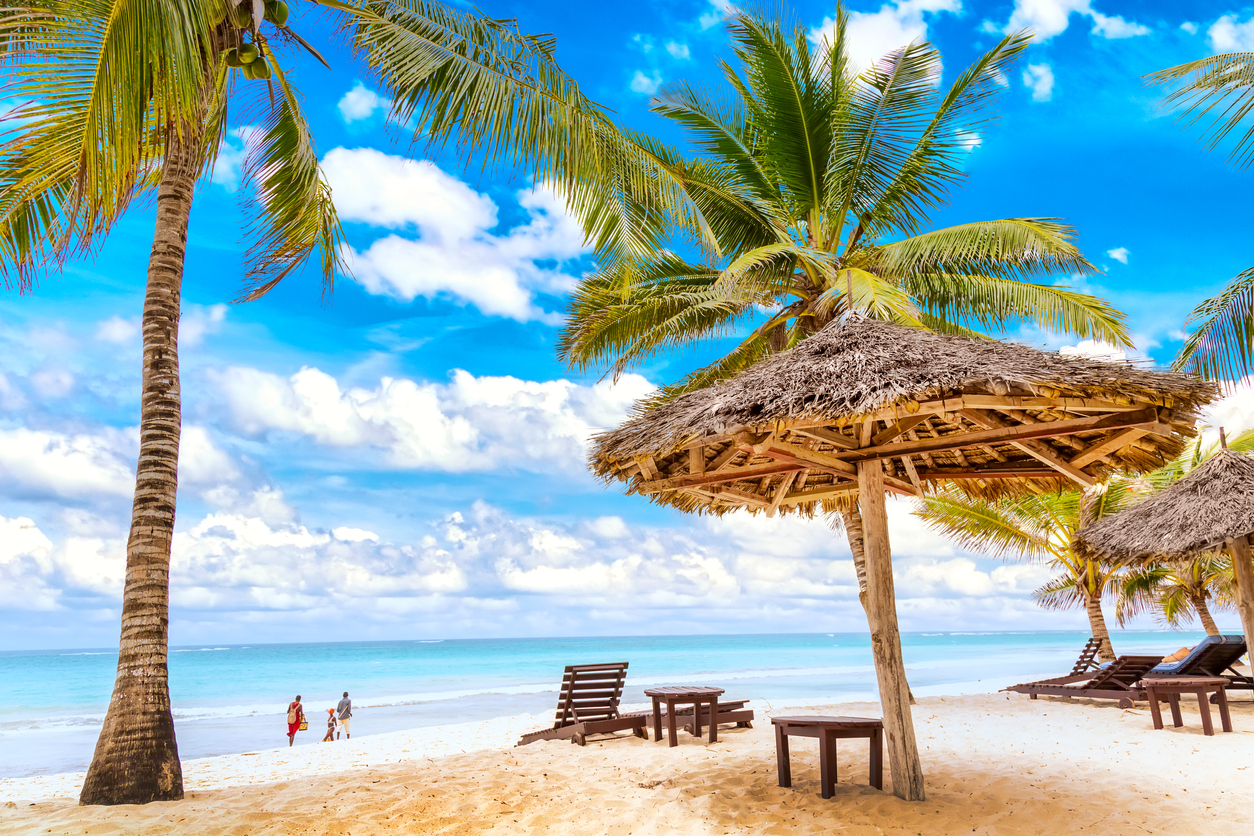
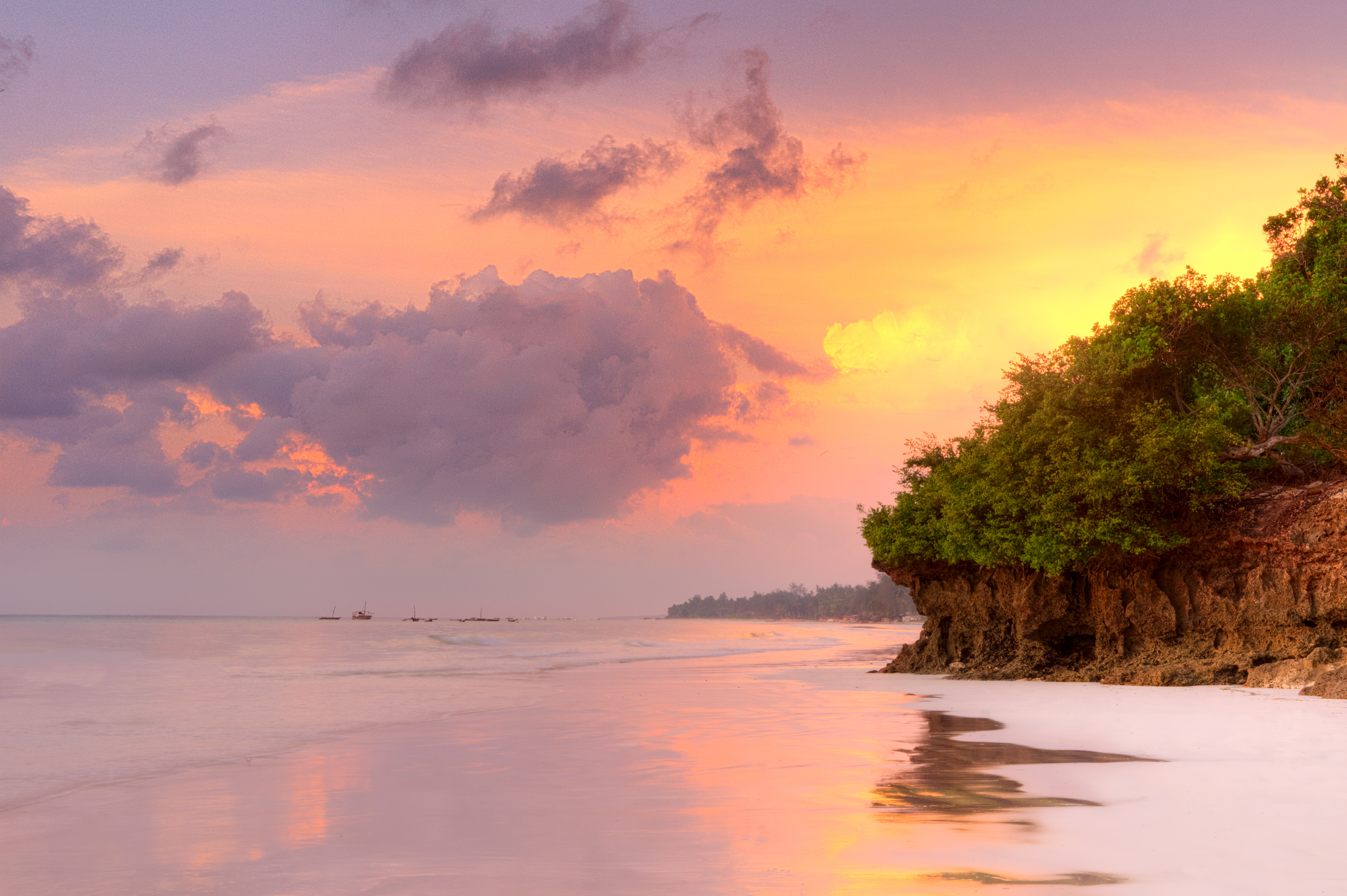
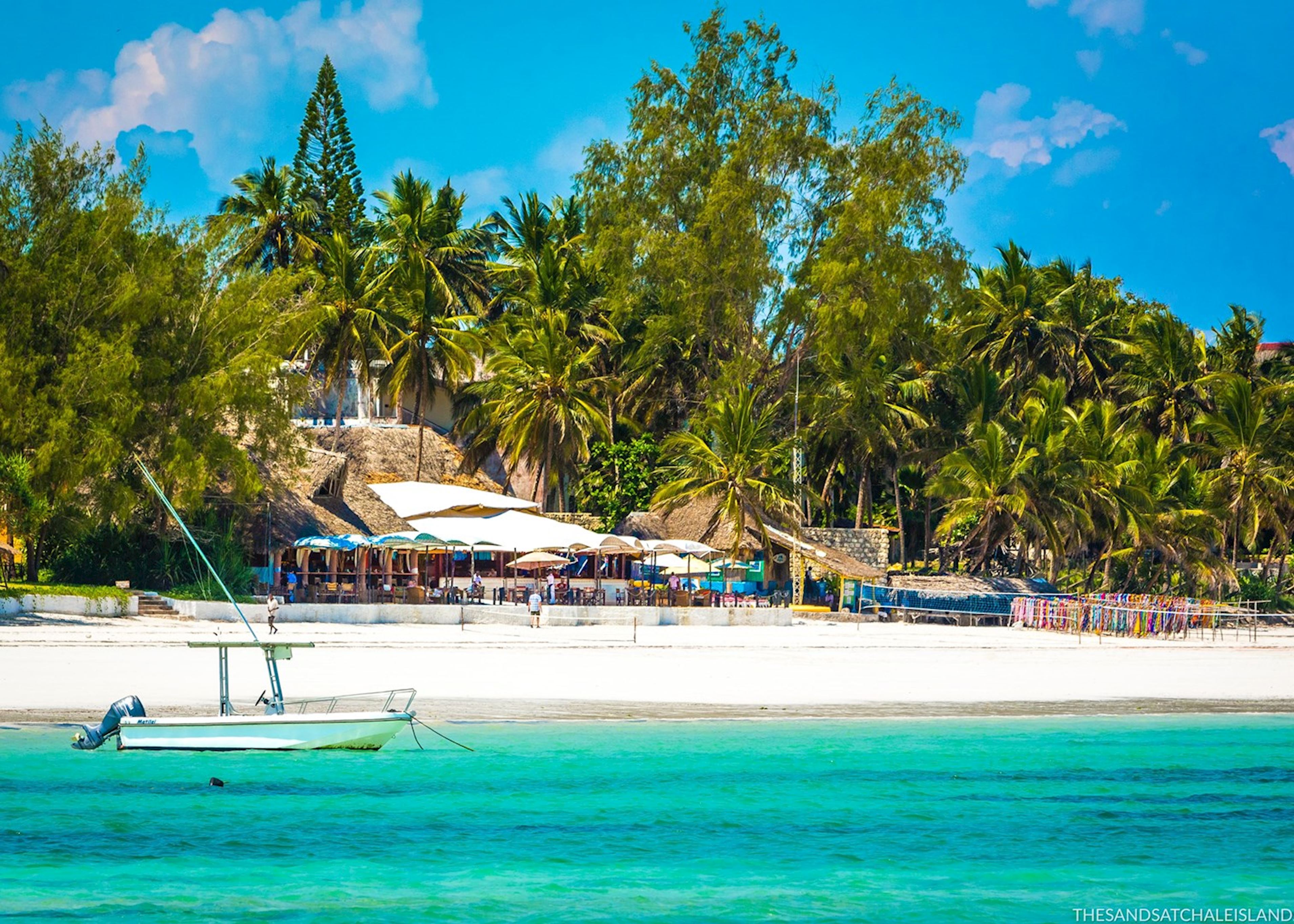
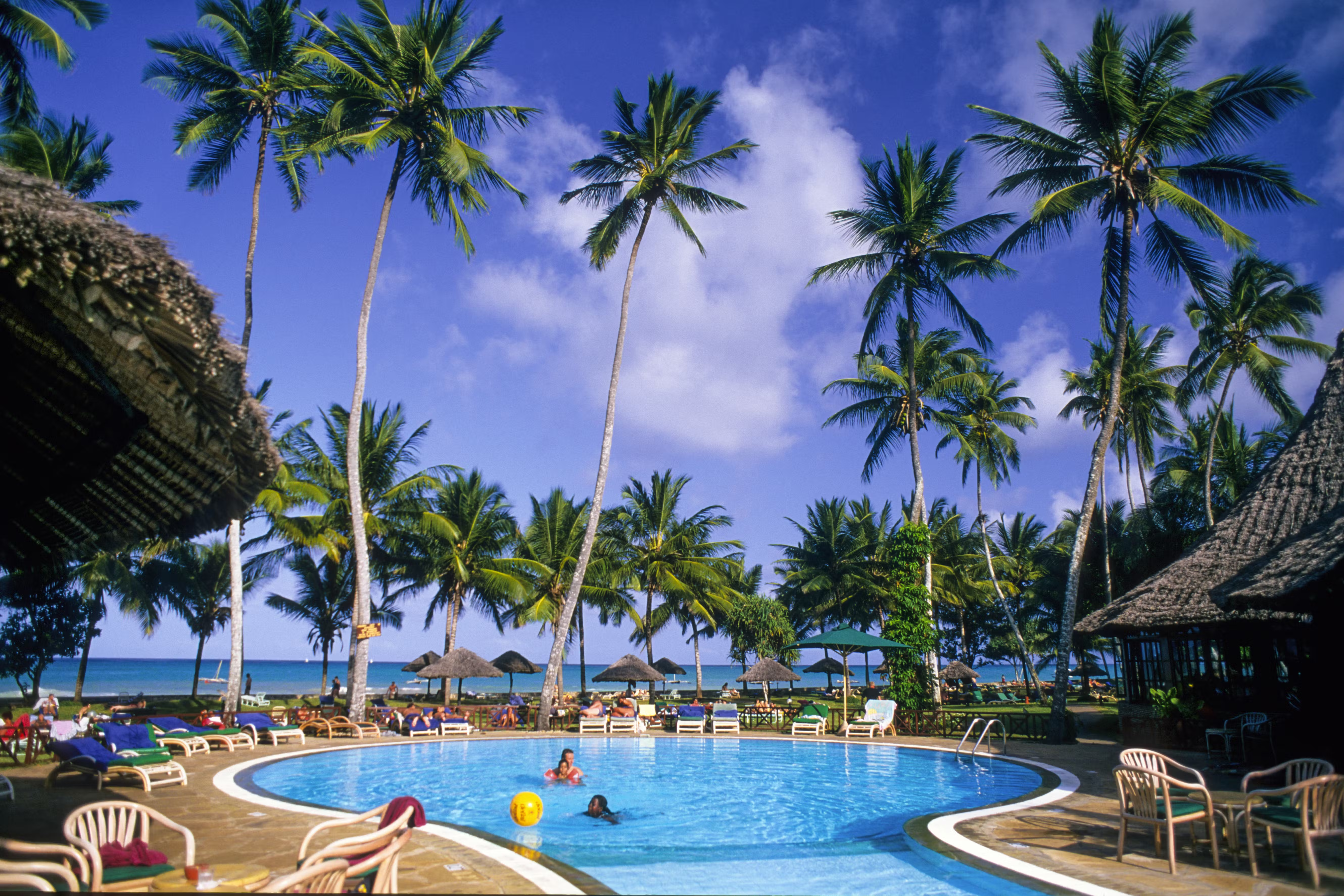
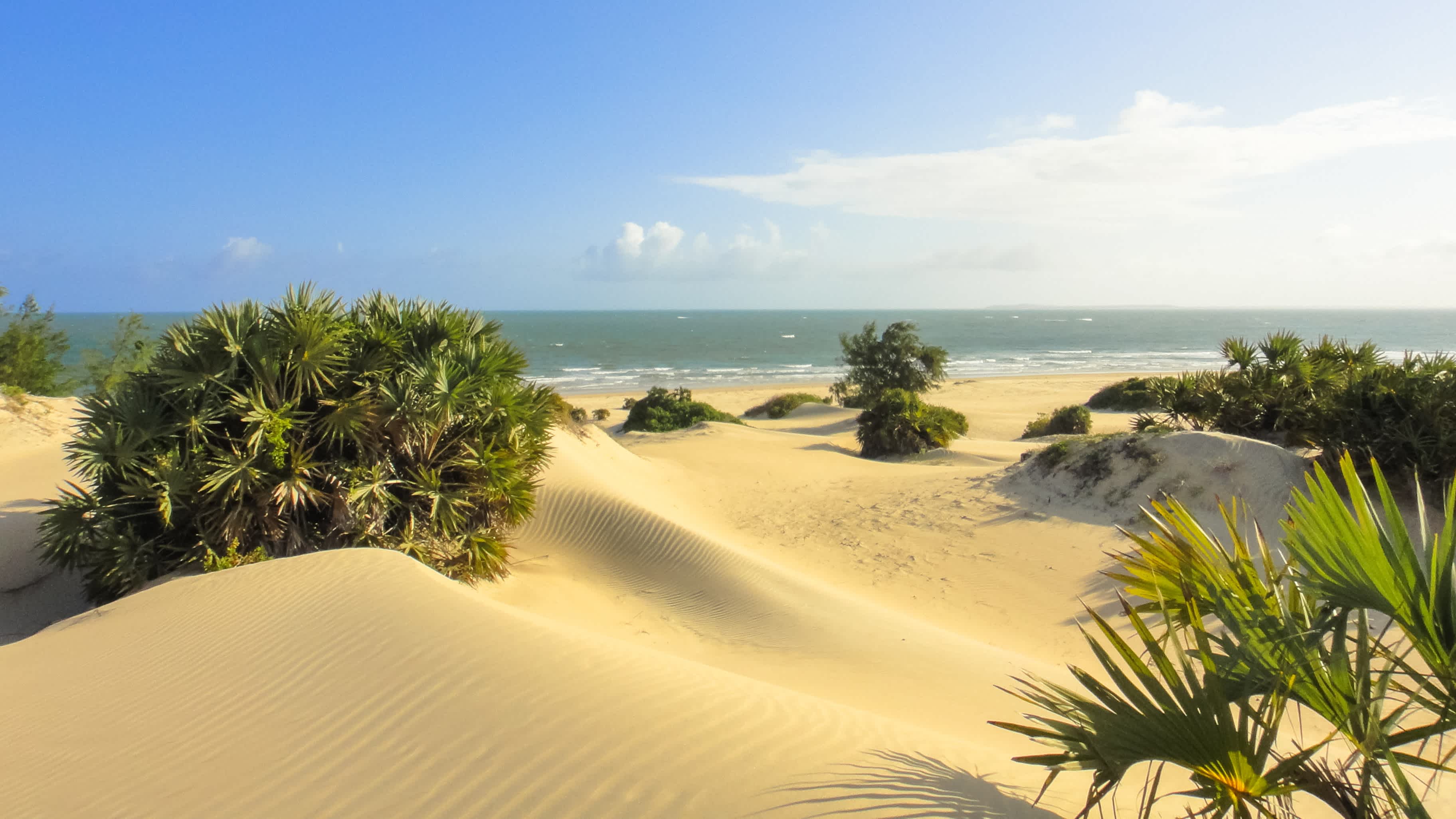
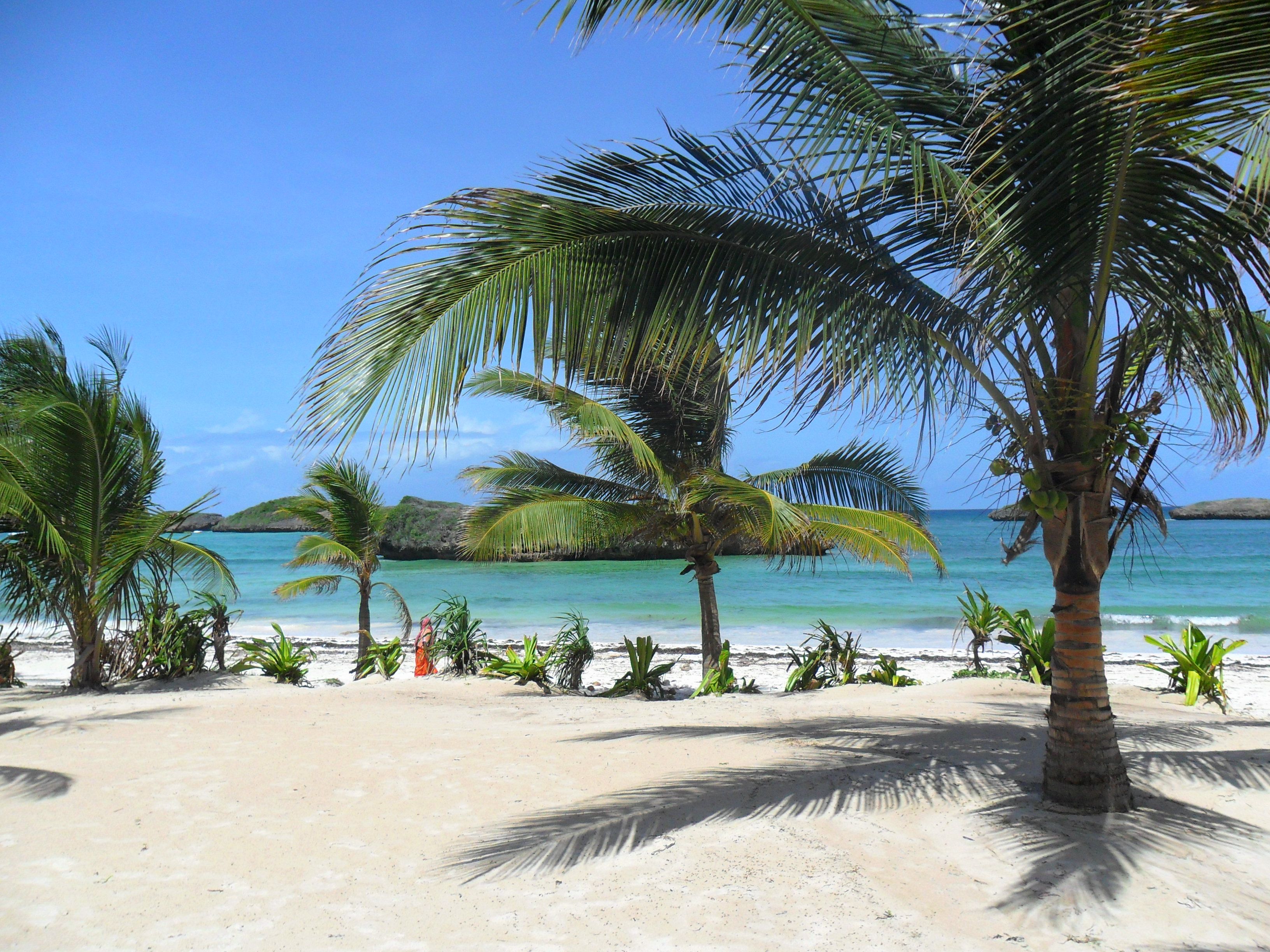
Along the coast, Diani Beach is one of Africa's finest. The Indian Ocean here is warm and impossibly clear, the sand powdery white, and the coral reef just offshore creates a lagoon protected enough for swimming in any season. The boutique resorts along this stretch of the south coast attract travelers who want both the safari and the sea — and Kenya delivers both without compromise.
For Black couples planning a honeymoon or a meaningful anniversary trip, Kenya carries a layer that other destinations do not. This is the ancestral continent, and arriving here with someone you love, on a journey built around beauty and meaning, tends to land differently. Several of the clients we have sent to Kenya have described it as the most significant trip of their lives. That is not marketing language. It is what they told us when they came home.
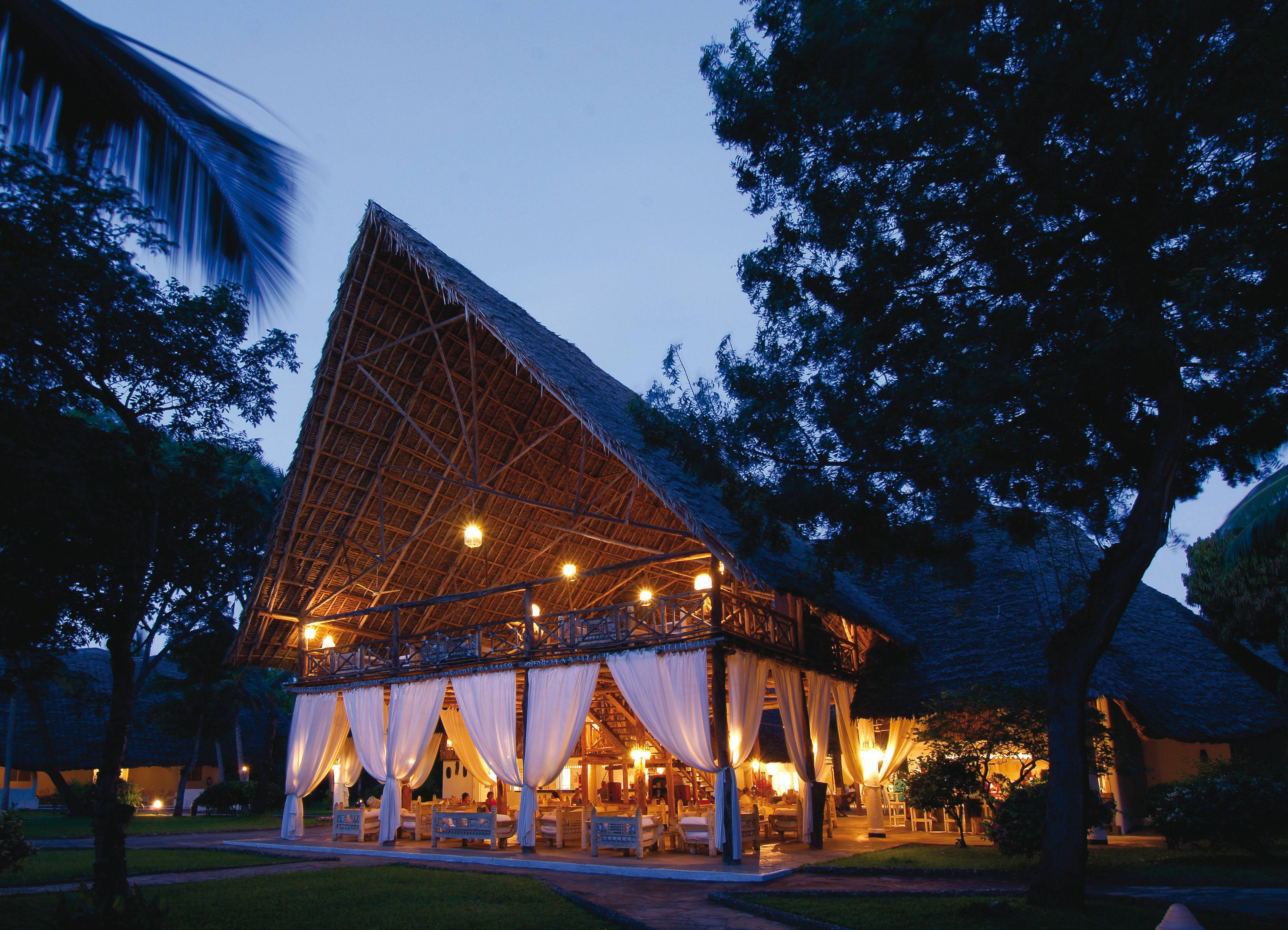
The lodges that serve the best Kenya experiences are in a category of their own. Mahali Mzuri, Angama Mara, Cottar's 1920s Camp — these are not hotels that happen to be near wildlife. They are destinations built around immersion, where the morning begins with a guide who knows these particular animals by name, and the evening ends around a fire with the sounds of the Mara settling into night.
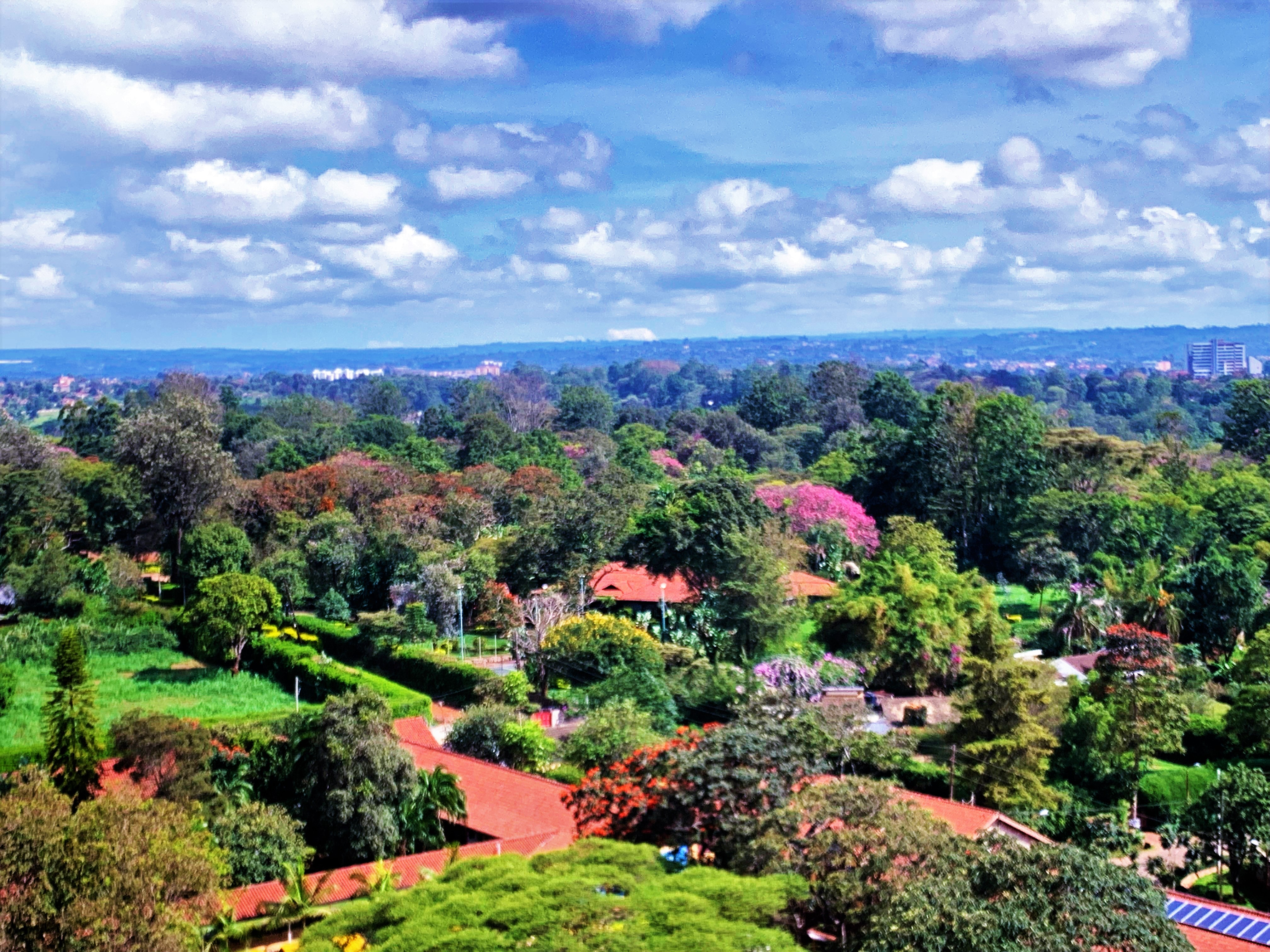
Nairobi's Village Market and Karen Blixen area carry quality Maasai beadwork, bronze sculpture, sisal baskets, and East African textiles. The best pieces come from artisan cooperatives rather than tourist markets. At camp, lodges often partner with local Maasai communities whose jewelry and work is sold directly.
Nyama choma — roasted meat, typically goat — is the essential Kenyan meal, best eaten at a roadside grill rather than a restaurant. Ugali with sukuma wiki (sautéed greens), pilau rice, and coastal Swahili dishes like biryani and grilled fish define the range of Kenyan cooking. Nairobi's restaurant scene has grown remarkably sophisticated.
Kenya's tea is among the world's finest and is drunk daily, milky and sweet, at every hour. Dawa — vodka, lime, honey, and ice — is the cocktail of East Africa. Kenyan craft beer has expanded significantly, and the wine programs at top safari lodges often include South African labels of genuine quality.
Jomo Kenyatta International Airport in Nairobi (NBO) is the main hub for East Africa. Most international visitors connect through Nairobi before transferring to domestic flights to safari destinations or the coast. Direct service is available from London, Amsterdam, Paris, and Dubai.
Light aircraft are the standard way to move between safari camps and are included in most luxury itineraries. The SGR (Standard Gauge Railway) connects Nairobi to Mombasa in four hours. Bolt and Uber operate in Nairobi. Outside major cities, private driver hire is the most comfortable option.
All movement within the national reserves and conservancies is coordinated by your lodge. Morning and evening game drives are conducted in open 4x4 vehicles with experienced guides. Walking safaris are available at certain conservancies and add a dimension that no vehicle can replicate.
East Africa Time (EAT, UTC+3) year-round. Kenya does not observe daylight saving time. When it is noon in New York (EST), it is 8pm in Nairobi.
Uber and Bolt both operate in Nairobi and are reliable and affordable. At the coast, tuk-tuks are the standard local transport. Safari camps handle all transfers through their own teams.
240V, 50Hz. Type G plugs (three-pin rectangular, the same as the UK). North American visitors will need a plug adapter. A voltage converter is not typically necessary for modern electronics.
Kenya has two rainy seasons: the long rains from April to June and the short rains in November. The best wildlife viewing is during the dry seasons — January to March and July to October. The Great Migration through the Mara peaks July through September.
Kenya provided the landscapes for Out of Africa, The Constant Gardener, and Nowhere in Africa. The country has produced Wangari Maathai (Nobel Peace Prize laureate), long-distance runners Eliud Kipchoge and Tirunesh Dibaba, and writer Ngũgĩ wa Thiong'o. Nairobi has emerged as one of Africa's most dynamic creative and tech capitals.
Police: 999 or 112
Medical Emergency: 999 or 112
Tourist Helpline: 0800 723 151
Country Code: +254