Highlights
Popular Destinations
.jpg)
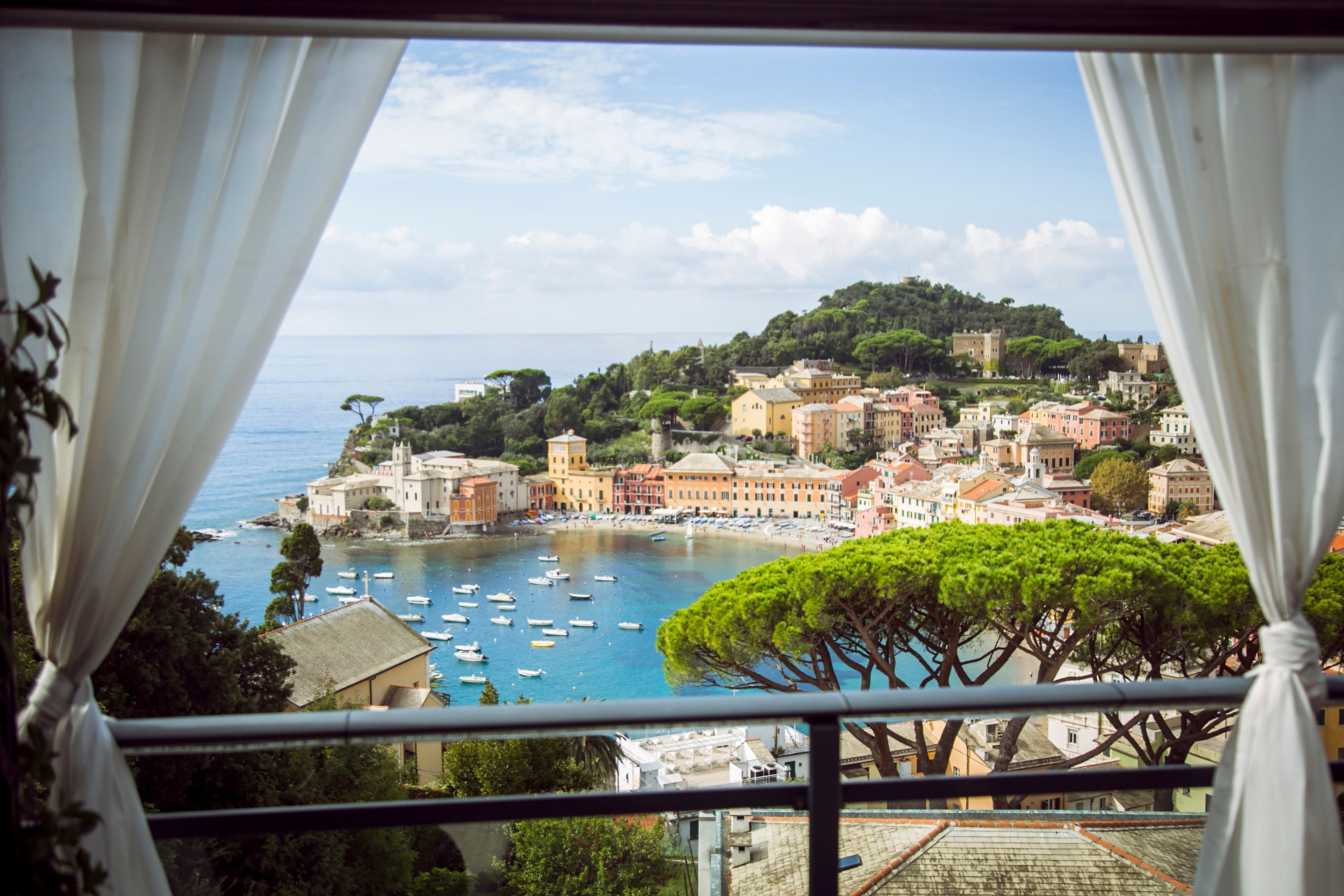
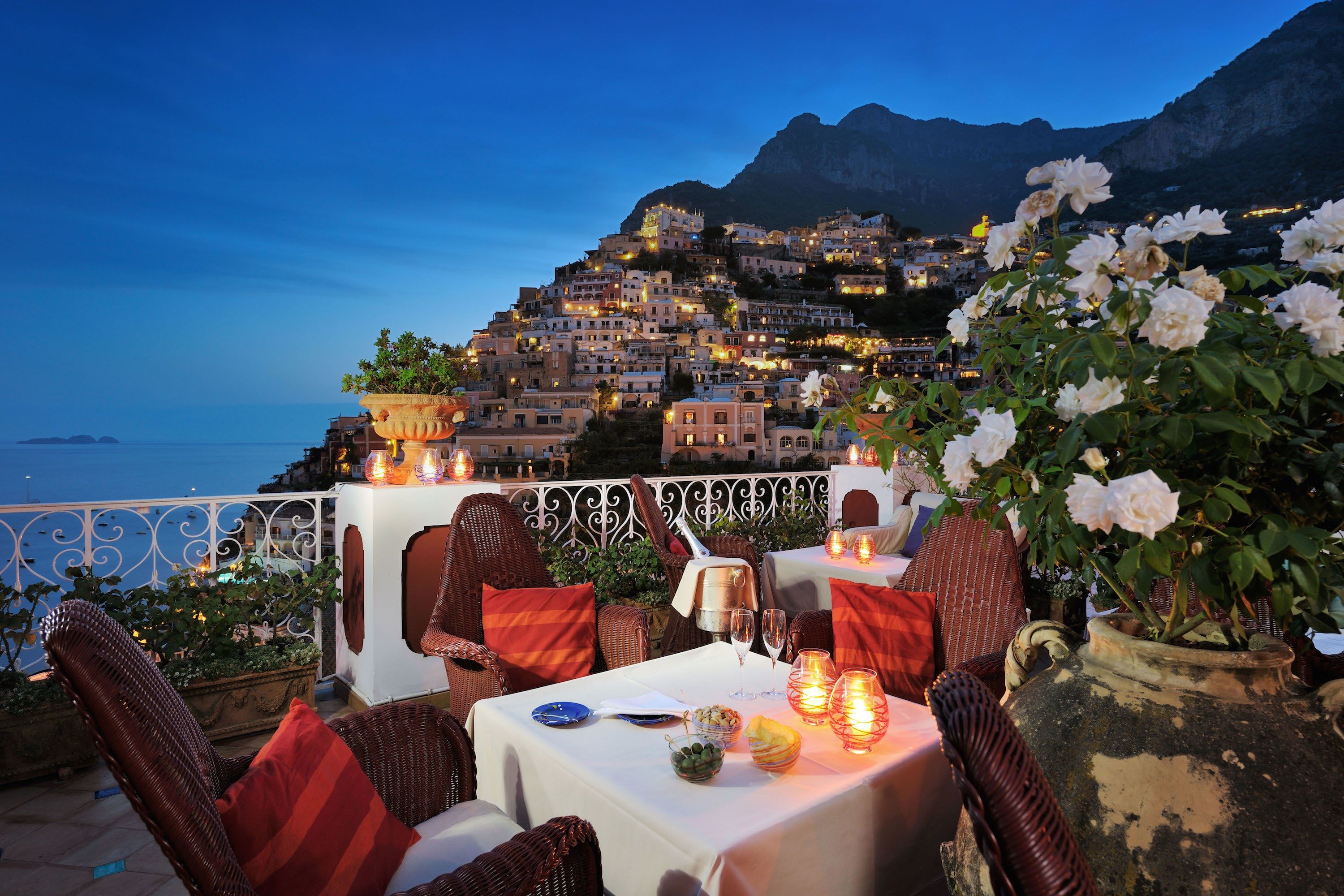
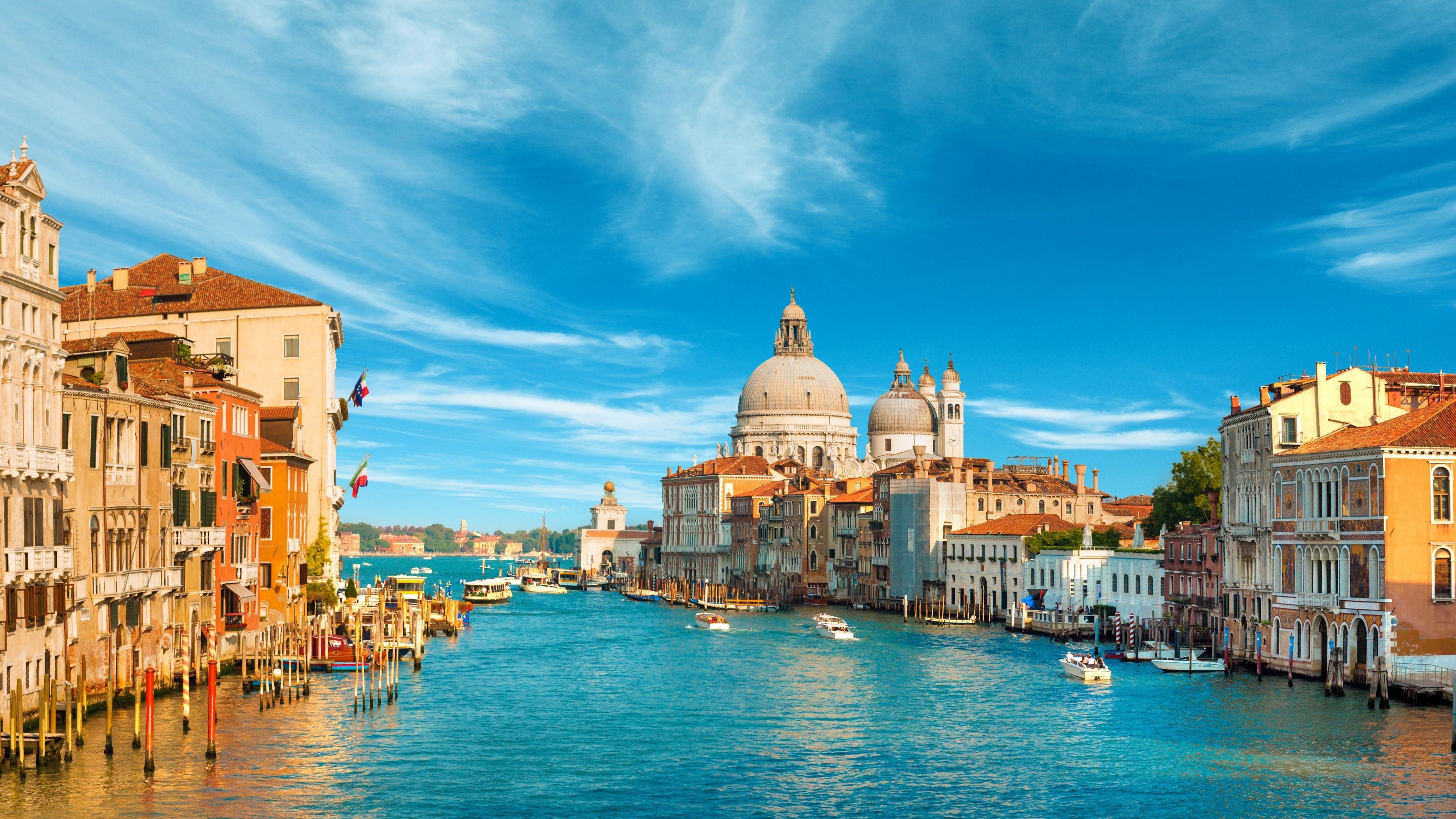
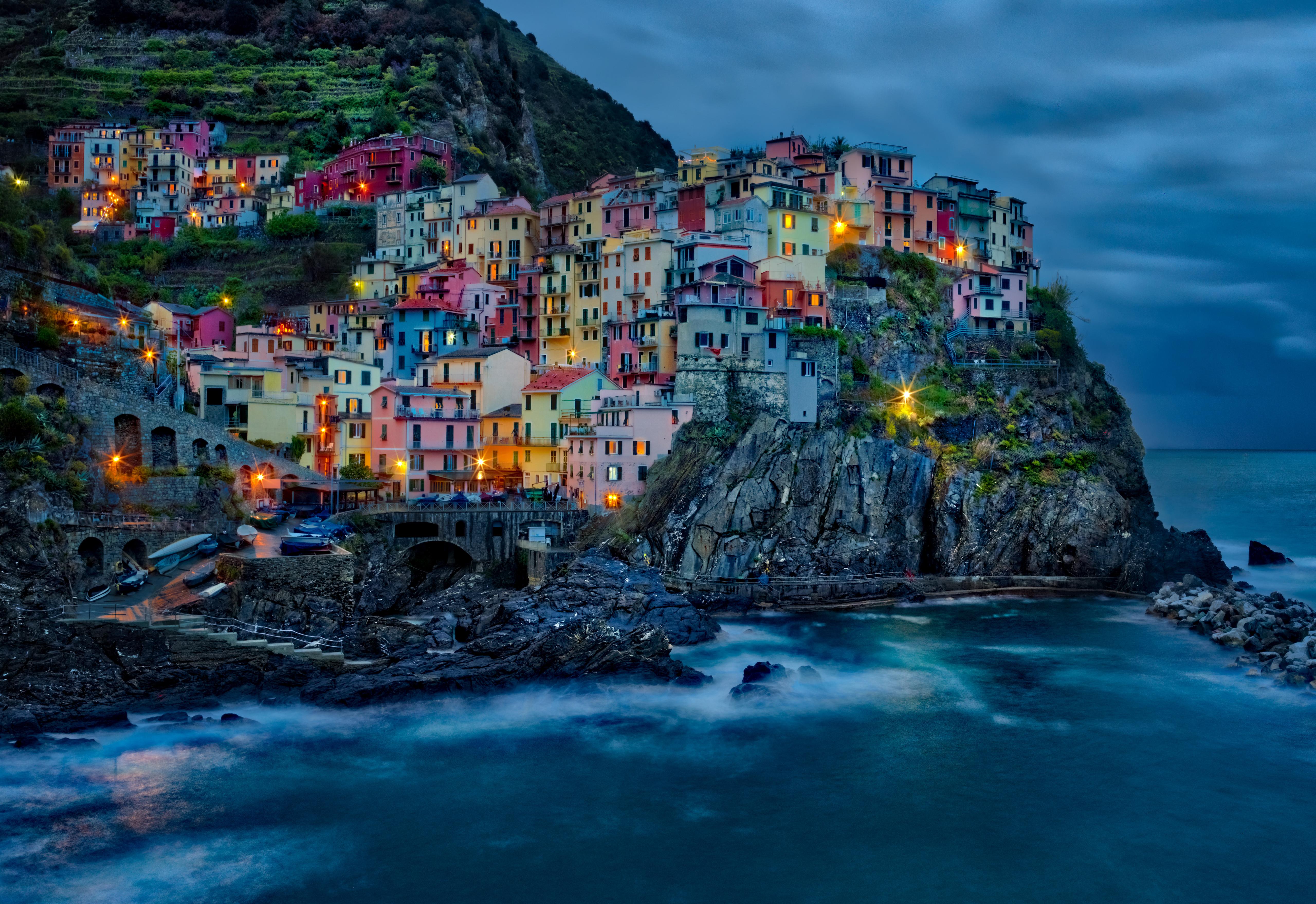
Italy insists on your full attention. The food demands it. The architecture stops you mid-street. The wine, poured freely, slows everything down to a pace where conversation becomes the point of the evening rather than a thing that happens alongside it. There are few places on earth where the accumulated weight of beauty is this consistent across a thousand miles of geography.
Tuscany is where the Italian countryside takes its most recognizable form — cypress-lined roads cutting through hills, stone farmhouses catching the afternoon light, vineyards producing wine that has been made the same way for four centuries. Siena, Montalcino, and the Val d'Orcia are reasons to rent a car and spend a week going nowhere in particular. The harvest festivals in autumn fill every village square with something that feels genuinely communal rather than performed for visitors.
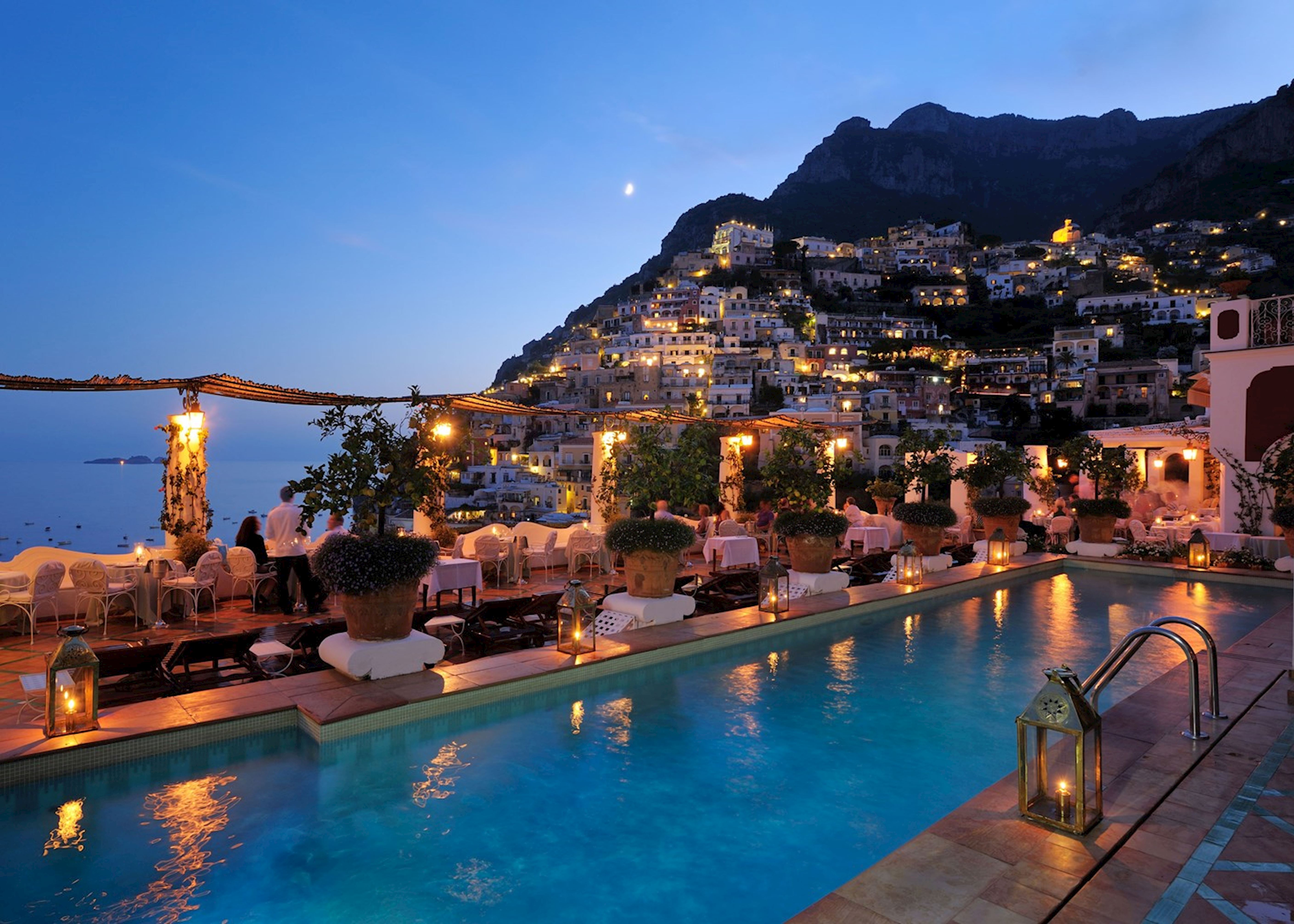
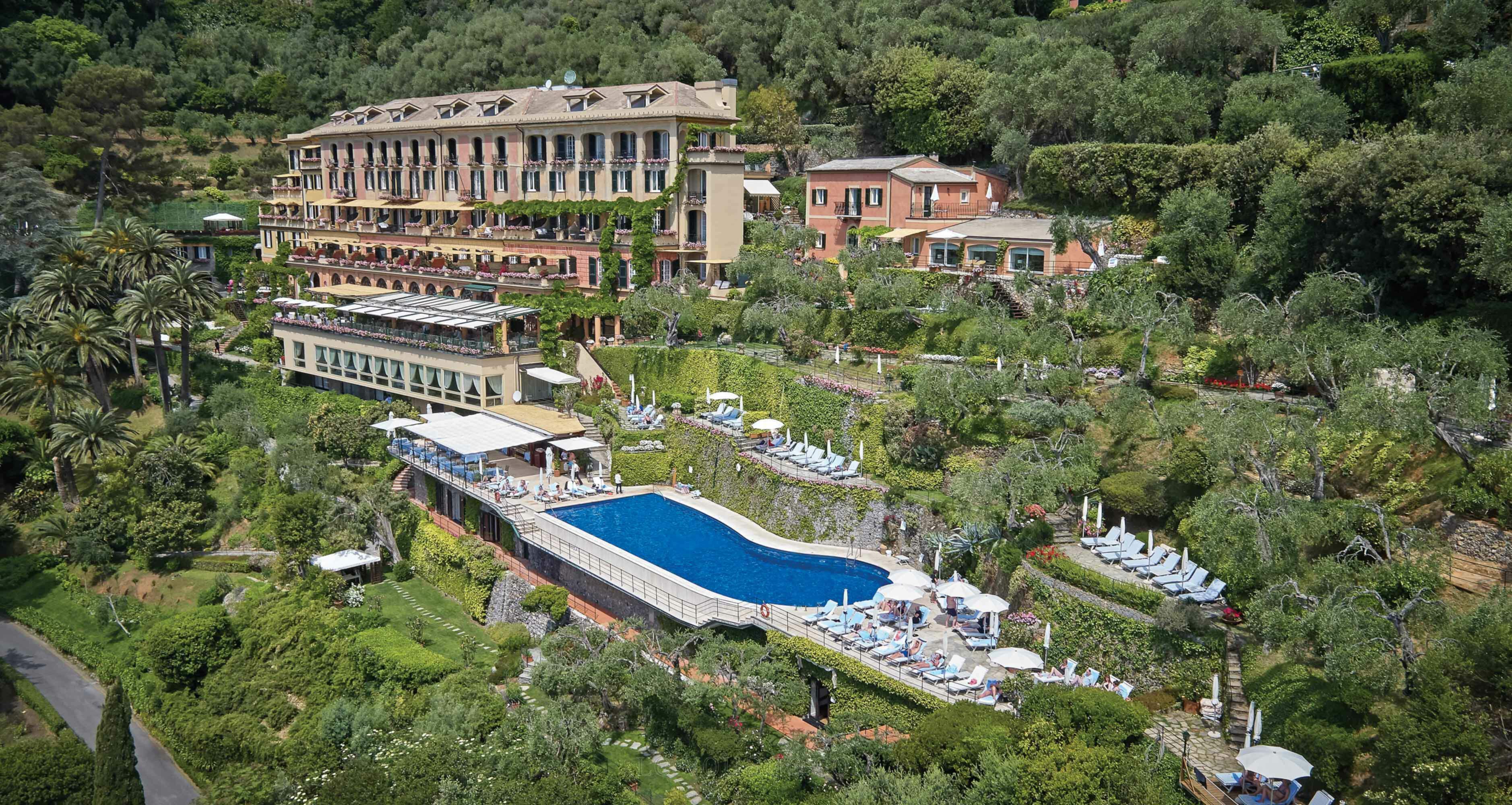
The Amalfi Coast is verticality as architecture — towns built into cliffs above a sea that changes color by the hour. Positano is the most photographed, and it earns it: the pastel buildings spilling down to the beach, the boats anchored in the cove, the scent of lemon groves on the hillside above. The hotels here — Le Sirenuse, Il San Pietro, Monastero Santa Rosa — are among the finest cliff-side properties in the world, built to make the most of a setting that is frankly unfair to every other destination.
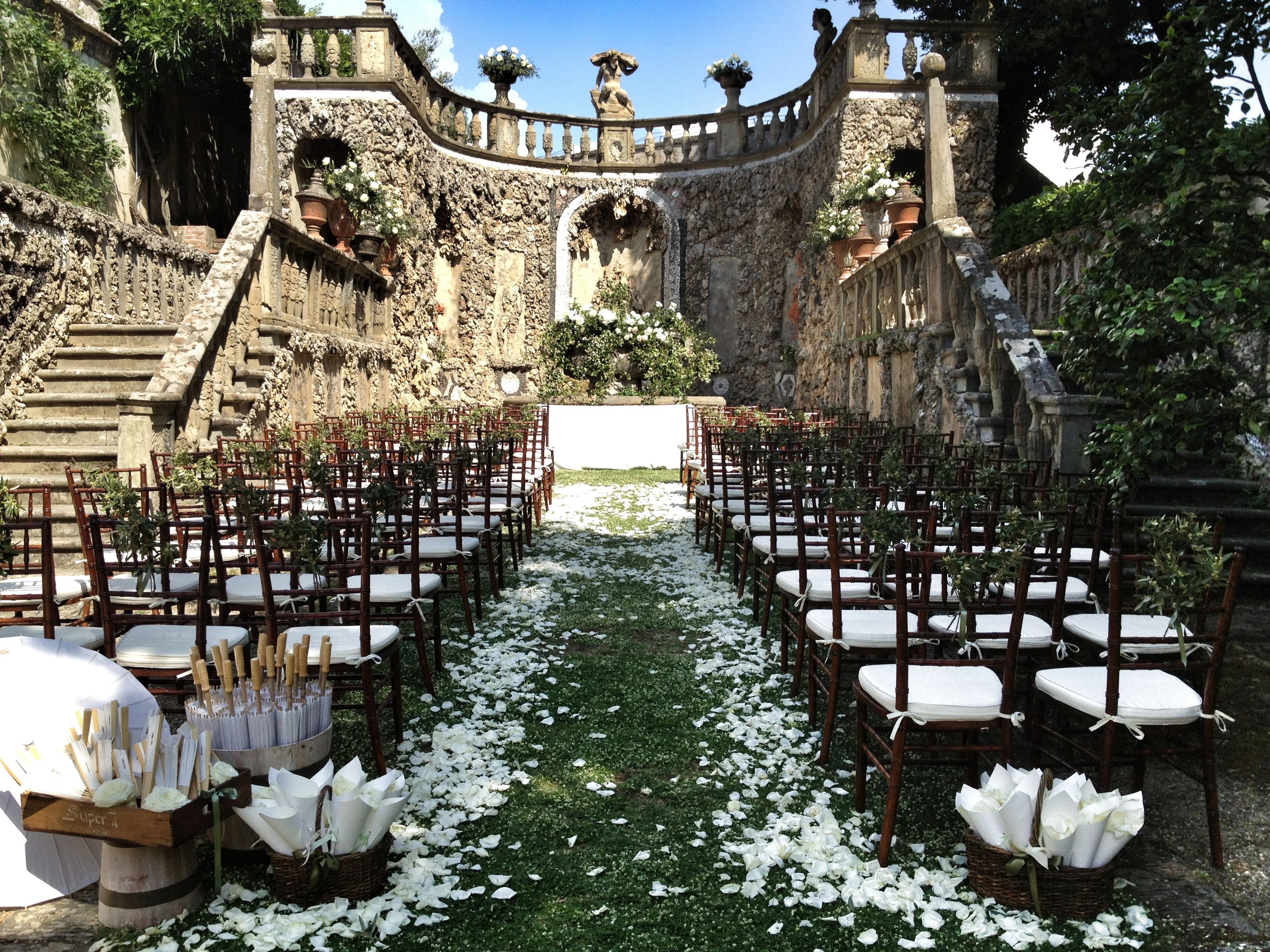
Rome rewards patience. The first day is overwhelming — the Colosseum, the Vatican, the Pantheon, the Spanish Steps all within walking distance. But the Rome that stays with you is the one found later: a trattoria open since 1948 in Testaccio, the quiet of the Borghese Gallery on a weekday morning, a neighborhood aperitivo where nobody is in a hurry. For couples planning a heritage venue wedding, Rome and the surrounding Lazio countryside offer palazzos, estates, and historic properties that cannot be replicated.
Italy is one of Noir Atelier's group tour destinations because it responds to depth. A well-guided week in the country covers more actual culture per day than almost anywhere else — art, language, food, wine, history, and architecture in constant, overlapping conversation. The travelers who come back from Italy are different from the travelers who left, and they know it immediately.
Leather goods in Florence, ceramics in Deruta, linen in Puglia, Murano glass in Venice. Italy's artisan tradition is specific to region, and the best pieces come from workshops rather than boutiques. Seek out the makers — many sell directly from their studios.
Italian food is regional, not national. Roman carbonara and cacio e pepe. Bolognese ragù that simmers for six hours. Neapolitan pizza with a char on the crust. Sicilian arancini and cannoli. Each region has its own cuisine and considers the others with polite suspicion. Eat where locals eat and the gap between good and extraordinary narrows considerably.
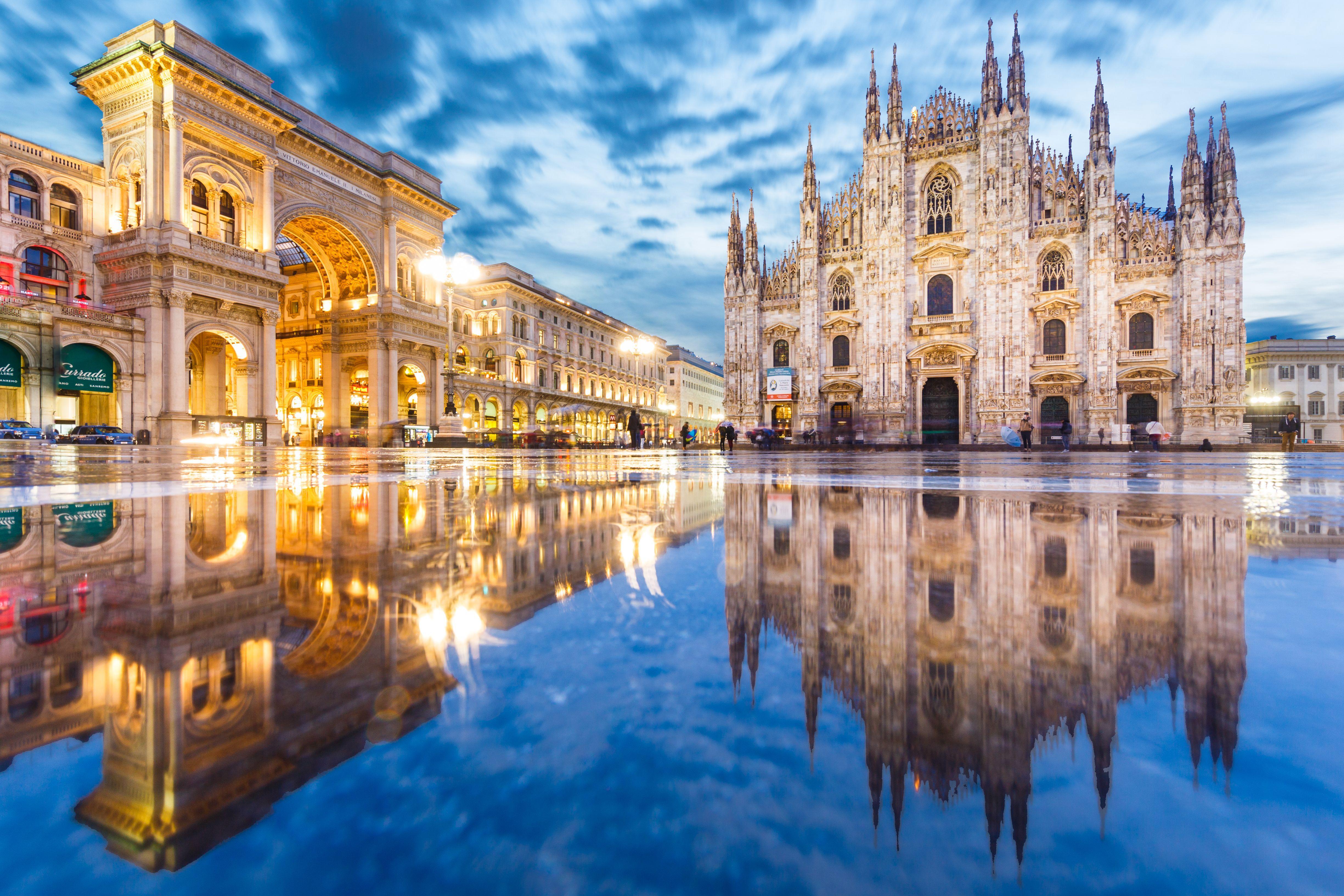
Aperitivo hour — a light cocktail with snacks before dinner — is one of Italy's best contributions to daily life. Spritz in Venice, Negroni in Florence, Campari soda in Milan. Wine by region: Barolo and Barbaresco in Piemonte, Brunello di Montalcino in Tuscany, Primitivo in Puglia. Espresso, always standing at the bar.
Rome Fiumicino (FCO) and Milan Malpensa (MXP) are the main international gateways with direct service from most major US cities. Florence has a smaller airport with European connections. Naples (NAP) is the gateway to the Amalfi Coast and southern Italy.
The Frecciarossa high-speed trains are the best way to move between major cities — fast, comfortable, and central (stations are downtown, not suburban). Intercity buses cover smaller towns not on the rail network. In Tuscany and Puglia, a rental car opens up the countryside completely.
Rome, Florence, and Milan are walkable at their historic cores. Taxis are metered and reliable. Uber operates in major cities. Venice has no cars at all — the vaporetto water bus and walking are the only ways to move, and the disorientation of navigating its streets is part of the experience.
Central European Time (CET, UTC+1), with daylight saving time observed from late March to late October (CEST, UTC+2).
Uber operates in major Italian cities. itTaxi is the local app-based taxi service. Traditional metered taxis are reliable and available at stands throughout city centers. Pre-book transfers for airport arrivals to avoid negotiated fares.
230V, 50Hz. Type C and F plugs (standard European round two-pin). North American visitors need a plug adapter. Most hotels and modern accommodations include universal outlets.
Mediterranean in the south, continental in the north. Summer (June to August) is hot and crowded in all major cities. Shoulder seasons — April to May and September to October — offer the best combination of weather, fewer tourists, and lower prices.
Italy has been the backdrop for Roman Holiday, The Talented Mr. Ripley, Cinema Paradiso, The Godfather, and Call Me By Your Name. The country produced Leonardo da Vinci, Michelangelo, Dante, Sophia Loren, Federico Fellini, and Giorgio Armani. Contemporary Italy continues to shape fashion, design, automotive culture, and gastronomy at a global level.
Emergency: 112
Police: 113
Medical Emergency: 118
Fire: 115
Country Code: +39