Highlights
Popular Destinations
.webp)
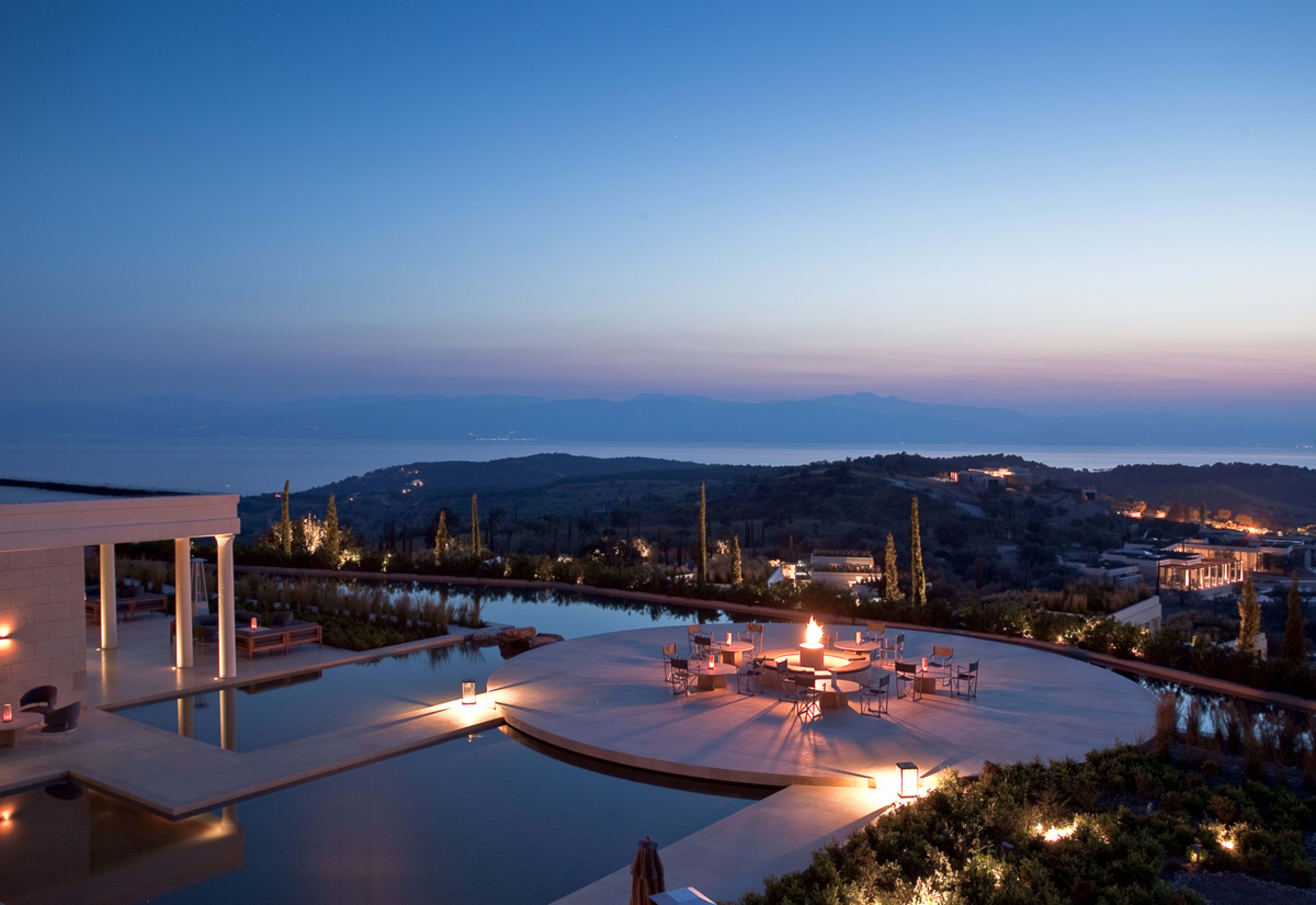
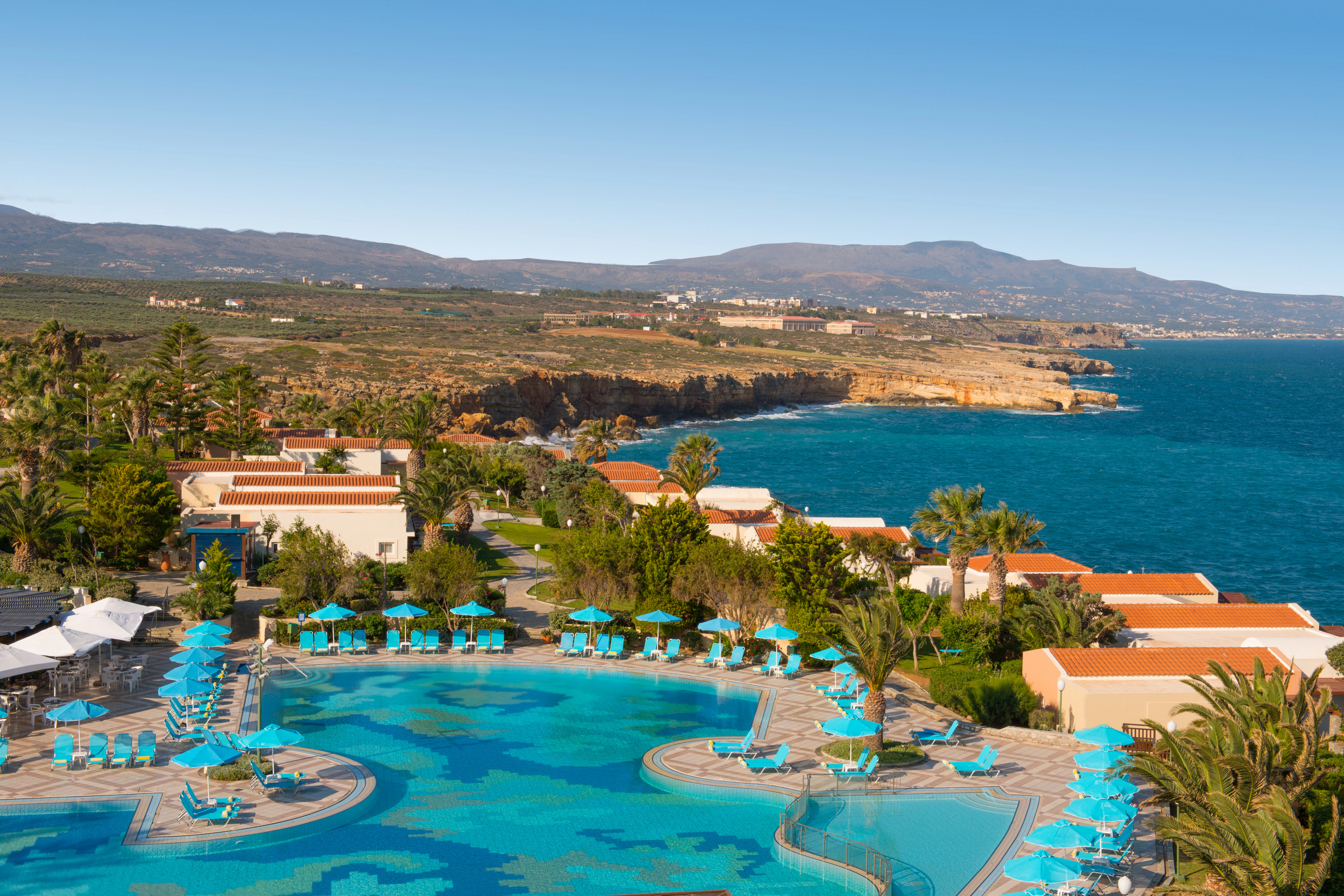
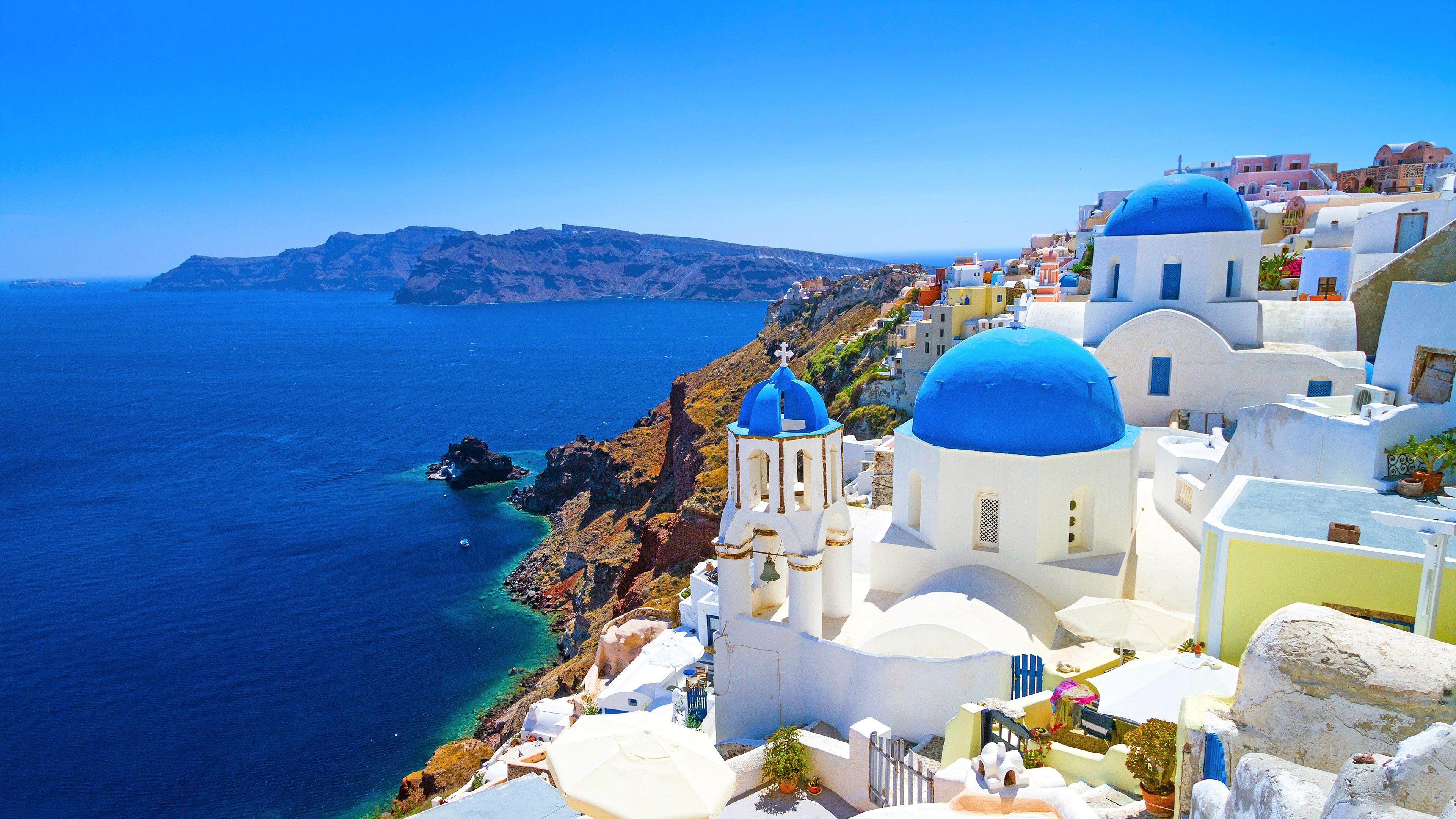
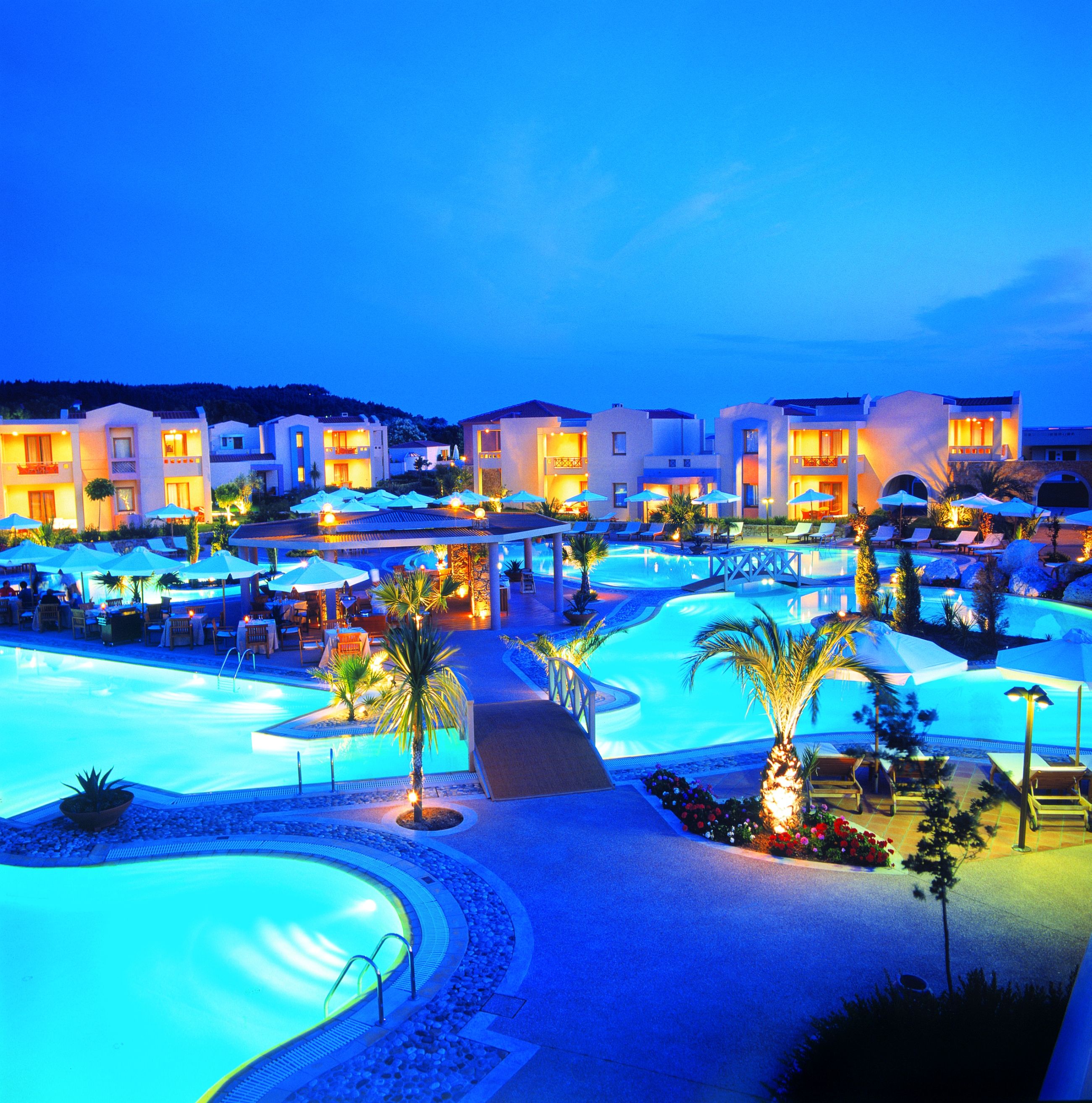
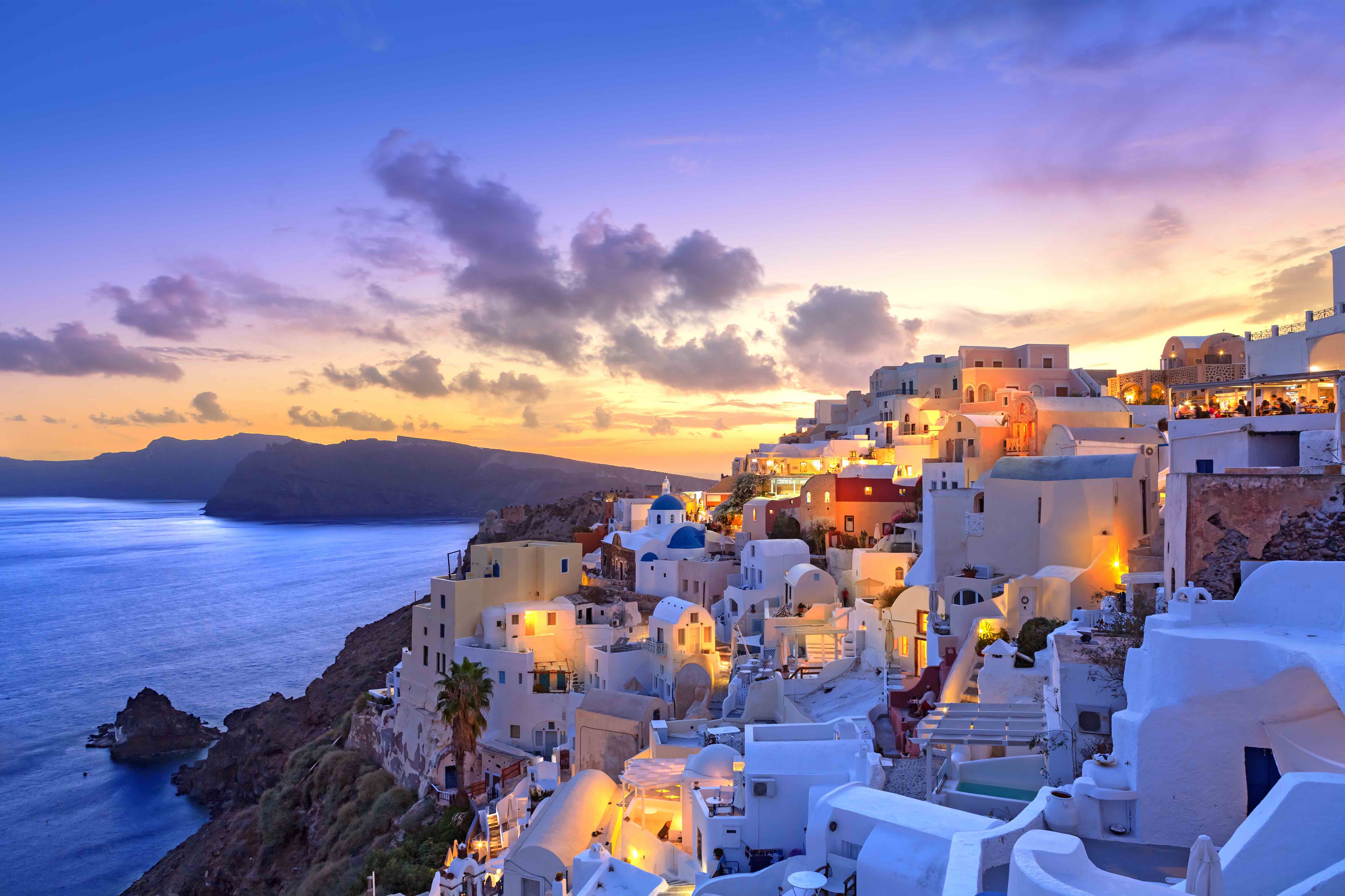
The light in Greece is different. Photographers have tried to explain it for decades — something about the angle of the sun and the way the Aegean reflects it back — and none of them have quite nailed it. What you feel standing on a caldera edge in Santorini at six in the evening is closer to disbelief than anything else. That this place is real, that you are in it, and that the color of the sky was not adjusted in post.
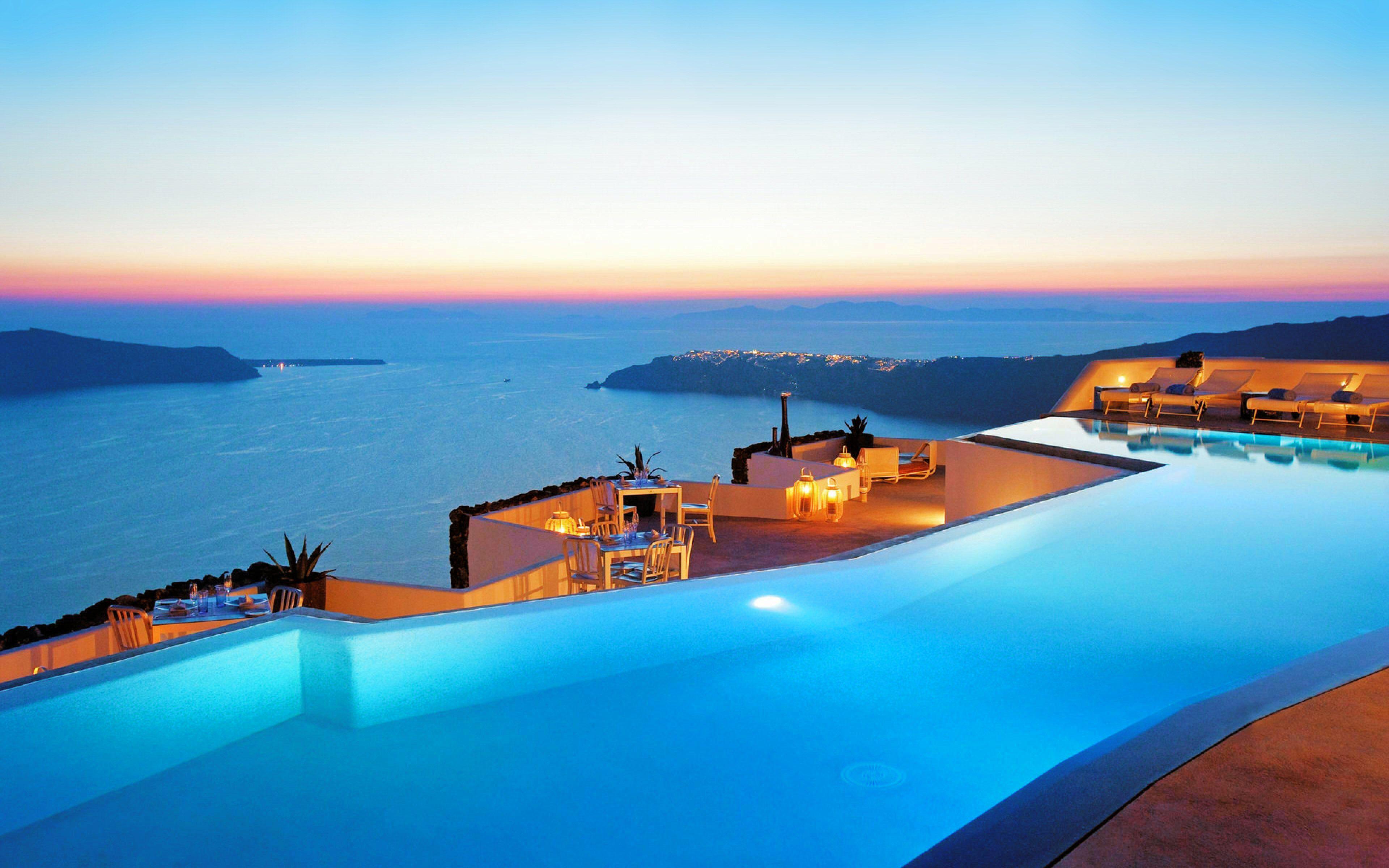
Santorini is the iconic Greece, and it earns its reputation even through the crowds. The cliffside villages of Oia and Imerovigli offer cave suites and infinity pools that look directly into the caldera. The architecture is sculptural — whitewashed walls and blue domes against volcanic rock — and the hotels built into it have understood that the setting is the product. Cliff-top suites, private terraces, outdoor plunge pools: the accommodation here was designed specifically for two people who want to be nowhere else.
Mykonos operates at a different frequency. The wind is constant, the energy is social, and the luxury is deliberately on display. For couples who want the Greek islands with a more kinetic atmosphere — beach clubs, exceptional restaurants, late evenings — Mykonos delivers without compromise. It is also one of the more progressive destinations in the Mediterranean for Black travelers.
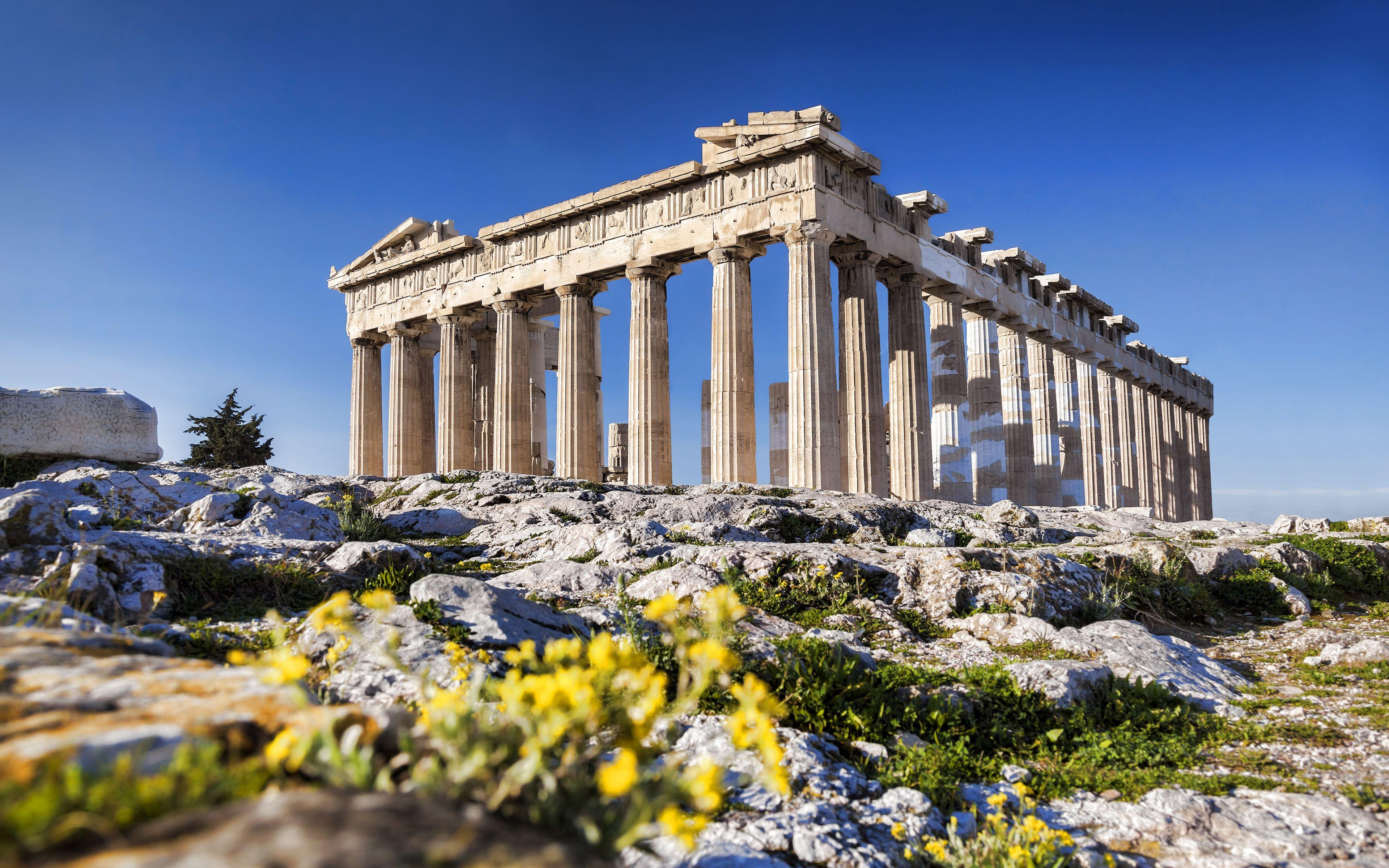
Athens is where the historical weight of Greece concentrates. The Acropolis at dawn, before the tour groups arrive, is one of the genuinely moving experiences available to a traveler in Europe. The National Archaeological Museum holds artifacts that reshape your understanding of how old civilization actually is. The neighborhoods of Monastiraki, Psiri, and Koukaki are where the city lives — street food, rooftop bars, independent galleries, and the general sense of a place reconciling its ancient identity with a modern one.
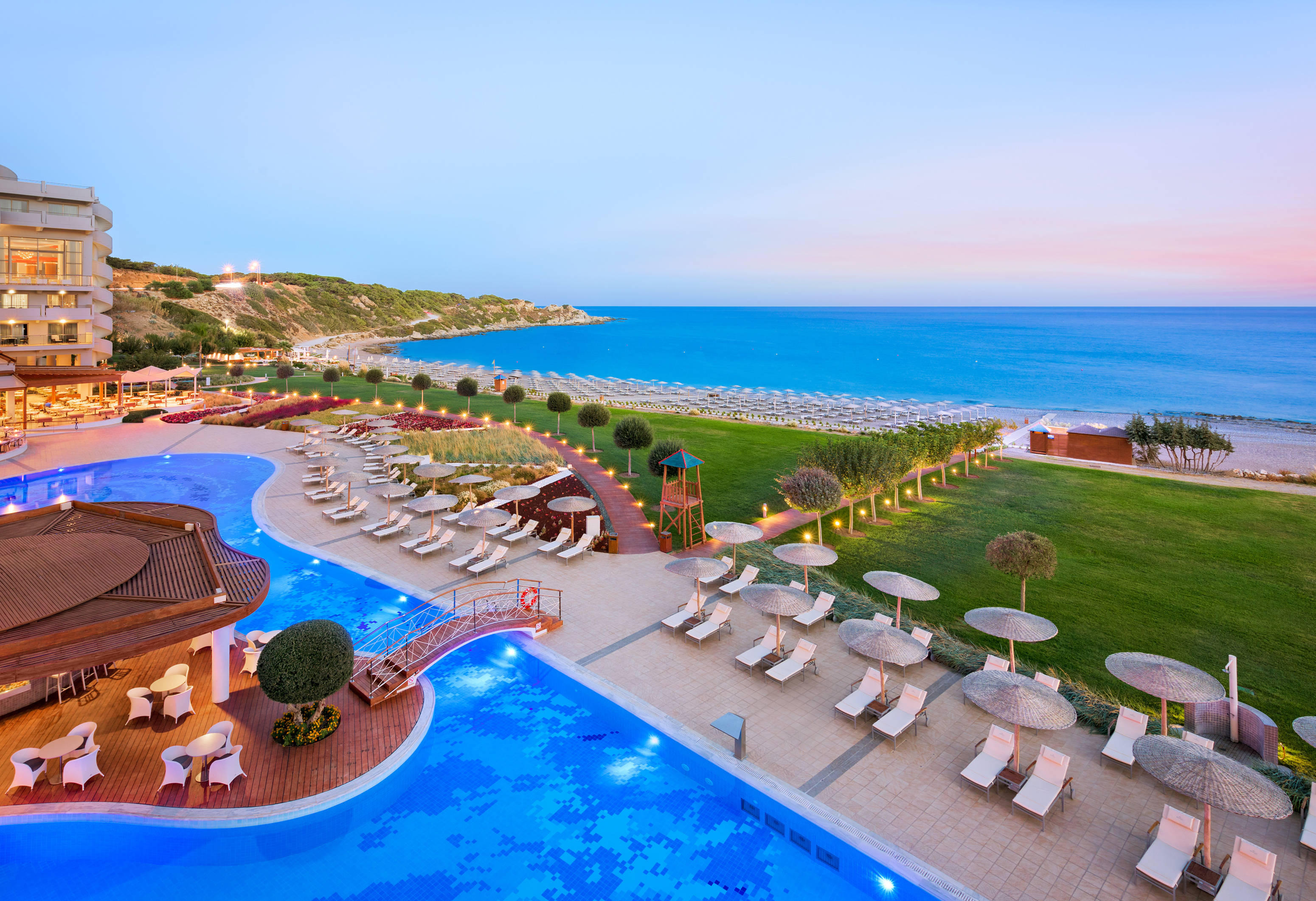
The lesser-visited islands reward those who venture past the obvious. Paros is quieter than Mykonos and arguably more beautiful. Milos has volcanic rock formations and sea caves accessible only by boat. Hydra has no cars at all — just white buildings, donkeys, and the Aegean at the end of every lane. Greece is large enough to accommodate every kind of traveler, and deep enough that returning reveals something new.
Greece produces exceptional olive oil, honey, saffron from Kozani, and wines that rarely leave the country. Artisan ceramics from Sifnos and handmade leather sandals from Athens are worth seeking out. The Central Market in Athens and the small boutiques of Monastiraki offer a different quality than the tourist shops along the harbor fronts.
The best Greek food is not at the taverna with the sunset view. It is at the neighborhood place three streets back — slow-roasted lamb, spanakopita made that morning, grilled octopus that has been sun-dried and charred, and a salad that makes you reconsider everything you thought you knew about tomatoes. Greece eats late and unhurried.
Assyrtiko from Santorini is one of the world's great white wines — mineral, citrus, grown in volcanic soil with no parallel. Ouzo is the aperitif of the islands, best taken cold with ice. Greek coffee is thick, sweet, and served in small cups with a glass of water. The café culture here is serious business.
Athens International Airport (ATH) is the main hub with connections from most major European and North American cities. Santorini (JTR) and Mykonos (JMK) also have international service in summer from select cities. Most itineraries begin in Athens and island-hop from there.
Aegean Airlines and Olympic Air operate reliable domestic routes. The ferry network is extensive — Blue Star Ferries and Hellenic Seaways connect Athens' Piraeus port to dozens of islands. In Athens, the metro covers the main tourist corridor efficiently and cheaply.
Taxis are available on all major islands. ATVs are popular but require caution on unpaved roads. Many luxury hotels arrange private transfers and boat charters. A private day-trip by catamaran around Santorini's caldera is one of the better investments you can make.
Eastern European Time (EET, UTC+2), with daylight saving time observed from late March to late October (EEST, UTC+3).
Uber and Bolt operate in Athens. On the islands, licensed taxis are available at ports and airports. Beat (formerly Taxibeat) is a popular local ride-hailing app. Many hotels arrange private transfers.
230V, 50Hz. Type C and F plugs (two-pin round, standard European). North American visitors need a plug adapter. Most modern hotels include universal outlets.
Mediterranean with hot, dry summers and mild winters. Peak season is June through September. Shoulder season (April, May, October) offers excellent weather with smaller crowds and lower prices. Winter on the islands is quiet — many businesses close.
Greece served as location for Mamma Mia, The Big Blue, and Lara Croft: Tomb Raider. The country produced Aristotle, Plato, Socrates, and Alexander the Great. Contemporary Greeks of note include filmmaker Yorgos Lanthimos, architect Nikos Salingaros, and shipping magnates who built modern maritime commerce.
Emergency: 112
Police: 100
Medical Emergency: 166
Fire: 199
Country Code: +30